portalId 145238543 hublet eu1 environment prod defaultChatFlow ----

Insurance distribution models 2025: the executive guide

Insurance distribution models 2025: the executive guide

Abstract digital insurance tech setup in European office

Insurance distribution models in 2025 are defined by the convergence of direct digital channels and human advisory support into hybrid structures that serve digitally active yet advice-seeking customers. Independent channels now control the majority of new life insurance premiums, AI is replacing intuition in channel analytics, and European regulatory frameworks are rewiring how distributors are compensated. For insurance executives, the question is no longer whether to modernise distribution. It is how to do it in a way that improves profitability, customer engagement, and long-term retention simultaneously.

What are the predominant insurance distribution models in 2025?

The four principal distribution models operating in the market today are captive agency, independent broker, direct-to-consumer digital, and hybrid. Each carries distinct economics, customer reach, and operational demands.

Captive agency models tie agents exclusively to one carrier. They offer brand consistency and deep product knowledge, but limit customer choice and create high fixed costs. As consumer expectations shift toward comparison and flexibility, captive models are losing ground.

Independent broker and managing general agent channels now dominate premium volume. Independent channels hold 60% of all new life insurance annual premium and close to 50% of annuity production. That structural shift places significant pricing and product power outside the carrier’s direct control, which demands a more deliberate approach to partner management.

Glass desk with network devices and monitors off

Direct-to-consumer digital channels offer low acquisition costs and 24/7 availability, but they hit a ceiling with complex products. Customers will complete a motor or travel policy online without assistance. They will not do the same for income protection or whole-of-life cover without guidance.

Hybrid models combine a digital front end for research and initial engagement with access to a licensed adviser at the point of decision. This architecture matches how customers actually behave, and it is becoming the default design for carriers serious about digital distribution in insurance.

How the models compare on key dimensions

Dimension Captive agency Independent broker Direct digital Hybrid
Customer reach Moderate High High High
Product complexity handled High High Low Medium to high
Acquisition cost High Variable Low Medium
Carrier control High Low High Medium
Regulatory alignment Moderate Variable High High

How is customer behaviour influencing insurance distribution in 2025?

Consumer research habits have fundamentally changed what distribution must deliver. 92% of customers research life insurance online, yet 75% want human guidance at the moment of purchase. That gap between research behaviour and purchase behaviour is the single most important design constraint for any distribution strategy.

Infographic comparing traditional and modern insurance distribution models

Carriers that ignore this gap build either a fully digital channel that converts poorly on complex products, or a fully agent-led channel that loses customers who started their research online and found a competitor first. Neither extreme works.

Technology is beginning to fill part of that gap. Only 11% of insurance shoppers currently use virtual assistants or chatbots during their journey, but those who do report satisfaction scores 132 points higher than non-users. That is a significant uplift from a tool that remains dramatically underdeployed. The implication is clear: carriers that invest in well-designed digital assistance can improve customer engagement without replacing the human adviser.

Pro Tip: Map your customer journey by product line, not by channel. A customer buying motor insurance has a different decision path than one buying life cover. Designing one hybrid model for both will underserve both.

The practical lesson is that distribution design must follow customer intent, not internal organisational convenience. Customers want self-service for research and speed, and human expertise for trust and complexity. Building that combination is the core challenge of customer engagement in insurance for 2025 and beyond.

What role does AI play in optimising insurance distribution models?

AI transforms distribution from an intuition-driven activity into a data-driven discipline. Carriers that treat distribution as a granular profitability challenge outperform those managing channels by instinct alone. The difference is measurable at the channel level, the agent level, and the product level.

Channel-level analytics

AI measures profitability, loss ratios, and retention rates per channel with a granularity that manual reporting cannot match. A carrier might discover that a particular broker segment generates high premium volume but poor loss ratios, or that a digital channel acquires customers who lapse within 18 months. Without AI-driven analytics, those patterns stay hidden inside aggregated reports.

Embedding insurance within retail or technology platforms is one of the fastest-growing distribution experiments in Europe. AI makes those partnerships evaluable. It tracks volume, profitability, and risk profile from embedded channels so executives can decide which partnerships to scale and which to exit.

Agent enablement

AI augments human agents by providing real-time, predictive insights that help them act as empathetic advisers rather than transactional clerks. An agent who knows, before a renewal call, that a customer is at high risk of lapsing can have a very different conversation than one working from a standard renewal script. That shift in the quality of the advisory interaction directly improves retention.

Pro Tip: Prioritise AI tools that surface insights within the agent’s existing workflow. If agents must switch between systems to access predictive data, adoption rates will be low regardless of the tool’s quality.

Digital-first brokers are already combining API data connections with regulatory and risk data sources to automate risk profiling, compressing underwriting timelines significantly. That capability is moving from specialist brokers into mainstream distribution as platform infrastructure matures.

European regulatory frameworks are shifting from volume-based oversight to customer-centric accountability. The direction of travel mirrors reforms seen in markets like India, where regulatory frameworks now link distributor incentives to persistency and product complexity rather than raw sales volume. European regulators are applying similar logic through conduct-of-business rules and product governance requirements.

The practical effect is a shift from volume-based compensation to value-based incentive structures. Agents and brokers who sell policies that lapse quickly will earn less. Those who build durable books of business will earn more. That alignment between distributor behaviour and policyholder outcomes is the intended result.

Shifting to value-based incentives linked to customer lifetime value and retention is not just a regulatory response. It is also the correct commercial decision for carriers using AI-driven retention strategies, because it aligns agent motivation with the metrics that AI is optimising.

The talent dimension compounds the regulatory challenge. The distribution talent pipeline faces a succession crisis as experienced advisers retire and younger recruits expect different working conditions, digital tools, and career structures. Carriers that do not overhaul recruitment, onboarding, and development now will face a capability gap precisely when hybrid distribution demands the most from their adviser workforce.

Key regulatory priorities for executives to track:

  • Persistency-linked compensation structures replacing flat commission models
  • Product governance requirements demanding evidence of customer suitability
  • Conduct-of-business rules increasing documentation and audit obligations
  • Succession planning requirements for regulated adviser networks

What practical steps can executives take to optimise distribution strategies?

Optimising distribution is a sequenced process, not a single technology decision. The following steps reflect what carriers with mature distribution analytics actually do.

  1. Establish granular channel metrics. Measure acquisition cost, loss ratio, and customer lifetime value per channel and per product line. Aggregate data conceals the channels that are destroying margin.
  2. Design hybrid experiences by product complexity. Simple products can be fully digital. Complex products need a digital research phase followed by an adviser handoff. Build the handoff point into the customer journey deliberately, not as an afterthought.
  3. Integrate AI into agent workflows. Deploy predictive tools that surface renewal risk, cross-sell opportunity, and customer sentiment within the systems agents already use. Standalone AI dashboards that agents must log into separately will not be adopted.
  4. Redesign incentive structures. Align agent and broker compensation with retention and customer lifetime value, not just new business volume. This both prepares for regulatory change and improves the quality of the book.
  5. Address the talent pipeline now. Identify which adviser cohorts are within five years of retirement. Build recruitment and development programmes that attract younger advisers with digital fluency and client-facing skills.

Advisers place only 49%–54% of their life insurance business with their primary carrier. AI-driven, high-intent lead generation reduces that leakage by giving advisers better-qualified prospects from the carrier’s own digital channels. That is a direct improvement in carrier loyalty without changing the compensation structure.

Pro Tip: Audit your partner relationships using the same profitability metrics you apply to internal channels. A high-volume distribution partner with poor loss ratios and low retention is a liability, not an asset.

Executives should also evaluate distribution partner performance using structured frameworks that go beyond premium volume. Profitability per partner, retention rates, and product mix all determine whether a partnership creates or destroys long-term value.

Key takeaways

Hybrid distribution, AI-driven analytics, and value-based incentives are the three structural changes that will separate high-performing European insurers from the rest by the end of 2025.

Point Details
Hybrid models are now the default Combining digital self-service with adviser access matches how customers actually research and purchase insurance.
Independent channels dominate premium volume Independent brokers control the majority of life insurance premiums, demanding structured partner management.
AI replaces intuition in channel decisions Granular profitability and retention analytics per channel outperform any manual reporting approach.
Regulatory direction is toward value-based pay Linking distributor compensation to persistency and customer lifetime value is both a regulatory requirement and a commercial advantage.
Talent succession is an urgent risk Carriers must rebuild adviser recruitment and development pipelines before the experience gap becomes a capability crisis.

Why I think most carriers are still solving the wrong distribution problem

The debate in most carrier boardrooms centres on which channel to invest in next. Digital or agent? Direct or broker? That framing misses the point entirely.

The real problem is that most carriers do not know, at a granular level, which of their existing channels is profitable, which is destroying margin, and which customers are worth retaining. They are making channel investment decisions on incomplete information and then wondering why the returns disappoint.

I have seen carriers pour significant budget into digital channel build-outs while their independent broker relationships, which generate the majority of their premium, are managed by a spreadsheet and a quarterly review call. That imbalance is where the real opportunity sits.

The carriers that will lead by 2026 are not necessarily the ones with the most sophisticated digital front ends. They are the ones that have built the analytics infrastructure to understand their distribution economics at the channel, partner, and product level, and then used that understanding to make deliberate decisions about where to invest, where to exit, and how to design incentives that align everyone in the chain with long-term profitability.

Technology is the enabler. But the strategic clarity has to come first.

— Tuna

How Ibapplications supports modern distribution strategies

Ibapplications builds IBSuite, a cloud-native, API-first platform that supports the full insurance value chain, including sales, policy administration, CRM, and billing. For carriers rethinking their distribution architecture, IBSuite provides the integration layer that connects digital channels, adviser workflows, and partner management into a single operational environment. The platform’s AI and automation capabilities support agent enablement and customer journey analytics without requiring carriers to replace their existing systems wholesale. If you are evaluating how a modern core platform can support your distribution goals, book a demo to see IBSuite in practice.

FAQ

What are the main insurance distribution models in 2025?

The four principal models are captive agency, independent broker, direct-to-consumer digital, and hybrid. Hybrid models, which combine digital self-service with adviser access, are the fastest-growing structure among European carriers.

Why do independent brokers dominate life insurance distribution?

Independent channels control the majority of new life insurance annual premium because they offer customers product choice and comparison that captive models cannot match. That market position gives brokers significant leverage over carriers.

How does AI improve insurance distribution performance?

AI measures profitability, retention, and loss ratios per channel with granularity that manual reporting cannot achieve. It also equips agents with predictive insights that improve renewal conversations and reduce customer lapse rates.

What does value-based compensation mean for insurance distributors?

Value-based compensation links agent and broker earnings to customer retention and lifetime value rather than new business volume alone. Regulatory frameworks across Europe are moving in this direction to align distributor incentives with policyholder outcomes.

How serious is the talent succession risk in insurance distribution?

The risk is significant. A large cohort of experienced advisers is approaching retirement, and recruitment pipelines have not kept pace. Carriers that do not rebuild their adviser development programmes now will face a capability gap at the moment hybrid distribution demands the most from their human workforce.

Operational efficiency tips for P&C insurers in 2026

Operational efficiency tips for P&C insurers in 2026

Insurance operational tech workspace close-up

Operational efficiency in P&C insurance is the practice of reducing cycle times, cutting manual effort, and improving accuracy across underwriting and claims workflows. For European property and casualty insurers, the gap between high performers and the rest is widening fast. The carriers closing that gap share one trait: they treat efficiency not as a cost exercise but as a capability. This article sets out ten practical tips, grounded in industry data, to help P&C insurers prioritise the initiatives that deliver measurable results in 2026.

1. Operational efficiency tips for P&C insurers: start with submission intake automation

Manual submission intake is the single biggest bottleneck in commercial underwriting. Underwriters spend hours extracting data from PDFs, emails, and spreadsheets before they can even begin assessing risk. Automating submission intake and structuring can reduce manual triage time by up to 90%. That is not a marginal gain. It means an underwriter who previously processed ten submissions a day can handle far more without additional headcount.

AI-assisted data extraction pulls loss history, risk indicators, and exposure data directly from incoming documents. Incomplete submissions are flagged early, cutting the back-and-forth communication that delays quotes. The practical result is that insurers can deliver quotes up to 5x faster than with manual processes.

Overhead shot of AI claims processing desk

Pro Tip: Begin with your highest-friction submission types, such as commercial property or casualty lines with complex schedules. These deliver the clearest ROI and build internal confidence quickly.

2. Deploy AI to cut claims cycle times from FNOL to first decision

AI-driven claims processing is the most direct route to improving cycle times. Claims cycle time can fall by 68% from FNOL to first decision within twelve weeks of deployment. That is a structural shift, not an incremental improvement.

The mechanism is straightforward. AI reads incoming FNOL data, checks policy coverage, flags fraud indicators, and generates a structured summary for the adjuster. The adjuster receives a recommended reserve and a coverage check rather than a blank file. This frees experienced staff to focus on complex or disputed claims where human judgement genuinely adds value.

  • AI summaries reduce adjuster preparation time per claim
  • Fraud detection flags suspicious patterns at intake, not weeks later
  • Subrogation opportunities are identified earlier, protecting recovery rates
  • Recommended reserves reduce inconsistency across the claims team

Pro Tip: Integrate AI outputs directly into your existing claims management system. Adjusters who receive AI summaries inside their normal workflow adopt the tools faster than those asked to log into a separate interface.

3. Implement straight-through processing for personal lines claims

Straight-through processing (STP) is the automatic handling of a claim from FNOL to payment without human intervention. A realistic STP target for personal lines is 40%–70% of claim volume, with cycle times of 8–60 minutes from FNOL to payment. Manual triage alone can consume 15–60 minutes before processing even begins. STP eliminates that entirely for eligible claims.

The key to safe STP implementation is starting narrow. Low-complexity claims below defined financial thresholds and with high AI confidence scores are the right starting point. Expanding scope too quickly creates auto-payment errors that are costly and difficult to reverse.

STP stage Recommended approach
Initial scope Low-value, low-complexity claims only
Confidence threshold High AI score required before auto-payment
Rules engine Configurable by operations, no coding needed
Cycle time target 8–60 minutes from FNOL to payment
Expansion trigger Stable error rate over defined review period

STP rules engines should be configurable by operations teams without developer support. When conditions change, such as a new fraud pattern or a regulatory update, the team must be able to update rules within minutes, not weeks.

Pro Tip: Treat your first STP cohort as a calibration exercise. Review every auto-payment for the first 30 days before expanding scope. Trust built slowly here prevents expensive rollbacks later.

4. Reduce claims leakage through better fraud detection and subrogation capture

Claims leakage is the gap between what a claim costs and what it should cost. Improved fraud detection and subrogation capture can reduce claims leakage by 14%. For a mid-sized European insurer processing thousands of claims annually, that figure represents a material improvement to the combined ratio.

Fraud detection at intake is far more effective than post-payment investigation. AI models trained on historical claim patterns identify anomalies in real time. Subrogation capture improves when AI flags third-party liability indicators at FNOL rather than leaving it to adjuster memory weeks into the claim.

The broader point is that claims leakage reduction is not a separate programme. It is a direct output of better data capture and earlier AI intervention in the claims workflow.

5. Redesign workflows for AI agents, not just AI assistance

Deploying AI within legacy, human-led workflows produces limited gains. Redesigning end-to-end processes for AI agents produces structural ones. The distinction matters. Inserting an AI tool into a broken process speeds up the broken process. Redesigning the process around AI capabilities changes the economics entirely.

In practice, this means mapping every step in your underwriting or claims workflow and asking which steps require human judgement and which do not. Routine data extraction, coverage checks, reserve recommendations, and fraud scoring do not require human execution. They require human oversight and exception handling.

Human expertise should focus on validation, complex exceptions, and high-impact decisions. Routine execution should be automated. This is not a technology question. It is an operating model question.

6. Invest 70% of transformation effort in people, not technology

70% of AI transformation effort must focus on talent, culture, and change management to scale effectively. Most insurers invert this ratio. They spend heavily on technology and underinvest in the workforce changes needed to use it well.

Upskilling is not optional. Underwriters and adjusters who understand what AI can and cannot do make better decisions about when to override it. Governance frameworks that define who owns AI outputs and who is accountable for errors build the trust needed for wider adoption.

  • Define clear functional ownership for AI-assisted decisions
  • Build override protocols that feed adjuster corrections back into model training
  • Create real-time dashboards so team leaders can see where AI is performing and where it is not
  • Reward staff who identify model errors, not just those who process volume

Pro Tip: Pair every technology deployment with a structured skills programme. Insurers who treat upskilling as an afterthought consistently underperform those who treat it as a core workstream.

7. Fix data quality before scaling automation

Poor data hygiene limits AI performance more than any other factor. An AI model trained on inconsistent, incomplete, or duplicated data produces unreliable outputs. Breaking organisational silos and improving data hygiene are prerequisites for scaling automation pilots into production.

The practical starting point is a data audit across your core systems: policy administration, claims, billing, and CRM. Identify where data is entered inconsistently, where fields are routinely left blank, and where the same entity appears under multiple identifiers. These are the points where automation will fail first.

Successful carriers embed data standards directly into operational workflows. A claims handler who cannot submit an FNOL without completing mandatory fields produces cleaner data than one who can skip them. System design enforces quality more reliably than training alone.

Pro Tip: Track data quality as a KPI alongside traditional efficiency metrics. Completion rates, duplicate rates, and field consistency scores give you early warning before automation failures appear in claim outcomes.

8. Use continuous learning loops to improve AI accuracy over time

AI models degrade without feedback. An adjuster who overrides an AI recommendation and records the reason is providing training data. An insurer that captures those overrides systematically builds a model that improves with every claim. One that ignores overrides watches accuracy plateau and then decline.

Continuous learning loops require two things: a technical mechanism to capture override data, and a cultural norm that makes recording reasons standard practice. The technical part is straightforward. The cultural part requires leadership to frame overrides as contributions to model quality, not as failures of the AI.

Human oversight in AI claims triage is vital to avoid delays that damage customer experience and to maintain fraud detection quality. Oversight is not a concession to caution. It is the mechanism by which AI systems get better.

9. Align operational efficiency with digital distribution goals

Operational excellence is evolving from cost cutting to future-proofing, requiring a balance between cost discipline and digital innovation. Insurers who treat efficiency purely as a cost exercise miss the growth dimension. Faster quote delivery, shorter claims cycles, and self-service capabilities directly improve customer experience and retention.

European insurers are under pressure from digital-first distribution models and rising customer expectations around speed and transparency. Efficiency gains in underwriting and claims create the capacity to invest in new distribution channels and product lines. The two objectives reinforce each other.

The digital transformation guide for insurers consistently shows that clean data and cross-functional collaboration are the foundation for scaling both efficiency and distribution capabilities simultaneously.

10. Measure what matters: cycle time, leakage, and STP rate

Efficiency programmes without clear metrics drift. The three metrics that matter most for P&C operational efficiency are claims cycle time, claims leakage rate, and STP rate. Each is measurable, comparable across periods, and directly linked to financial performance.

Cycle time measures speed. Leakage rate measures accuracy and control. STP rate measures the proportion of claims handled without manual intervention. Together, they give a complete picture of where your operations stand and where the next improvement opportunity lies.

Set baselines before any technology deployment. Without a baseline, you cannot demonstrate improvement, and you cannot make the case for further investment. Measurement is not bureaucracy. It is the evidence base for every efficiency decision you make.

Key takeaways

Operational efficiency for P&C insurers requires combining AI and automation with strong data governance, workforce upskilling, and clear performance metrics to produce measurable and lasting gains.

Point Details
Automate submission intake first Reducing manual triage by up to 90% is the fastest route to underwriting efficiency gains.
Deploy AI in claims with human oversight AI cuts cycle times significantly, but continuous adjuster feedback keeps models accurate.
Start STP narrow and expand carefully Begin with low-complexity claims to build trust before scaling auto-payment to higher volumes.
Invest heavily in people, not just technology 70% of transformation effort should target talent, culture, and change management.
Fix data quality before scaling Clean, consistent data is the prerequisite for reliable AI and automation performance.

The efficiency trap most insurers fall into

The most common mistake I see in P&C efficiency programmes is treating technology as the solution rather than the enabler. An insurer buys an AI claims tool, deploys it on top of an existing workflow, and then wonders why the gains are modest. The workflow was the problem. The AI just made it faster.

The insurers who achieve genuine efficiency gains redesign the process first. They ask what the workflow would look like if it were built for AI from the start, and then they build that. It requires more upfront effort and more organisational courage. But the results are not comparable to the bolt-on approach.

Cultural resistance is real and it is underestimated. Experienced adjusters and underwriters have built careers on manual expertise. Asking them to hand routine tasks to an AI model feels like a threat, not an opportunity. The insurers who handle this well are transparent about what is changing and why, invest in retraining, and give staff a meaningful role in validating and improving AI outputs. That approach converts sceptics into advocates faster than any change management framework I have encountered.

The final point is patience. Efficiency gains from AI and automation compound over time as models improve and processes mature. The insurers who pull back after a difficult first quarter miss the inflection point. Measured, iterative deployment with clear metrics and genuine investment in people is the only approach that works at scale.

— Tuna

How IBSuite supports P&C operational efficiency

Ibapplications built IBSuite to address the exact operational challenges described in this article. The IBSuite Claims Management platform supports AI-assisted adjudication, configurable STP rules engines, and real-time dashboards that give operations teams full visibility across the claims lifecycle. The platform is API-first and built on AWS, which means it integrates with existing systems without requiring a full core replacement.

IBSuite’s claims module is designed so that operations teams can update rules and workflows without developer support. That configurability is what makes STP expansion practical rather than theoretical. For P&C insurers looking to move from pilot to production on automation, IBSuite provides the infrastructure to do it at scale.

FAQ

What is operational efficiency in P&C insurance?

Operational efficiency in P&C insurance means reducing cycle times, manual effort, and costs across underwriting and claims workflows without sacrificing accuracy or customer service quality.

How much can AI reduce claims cycle times?

AI-driven claims processing can reduce the time from FNOL to first decision by 68% within twelve weeks of deployment, based on documented European insurer implementations.

What is a realistic STP rate for personal lines claims?

A realistic straight-through processing target for personal lines is 40%–70% of claim volume, with cycle times of 8–60 minutes from FNOL to payment for eligible claims.

Why does data quality matter so much for automation?

AI and automation tools perform only as well as the data they process. Inconsistent or incomplete data produces unreliable outputs, which is why data hygiene must be addressed before scaling any automation programme.

How should insurers balance AI with human oversight?

Human expertise should focus on validation, complex exceptions, and high-impact decisions. AI handles routine execution, but adjuster override data must feed back into model training to maintain accuracy over time.

What is digital claims management for P&C insurers

What is digital claims management for P&C insurers

Modern empty digital claims tech workspace

Digital claims management is the end-to-end handling of insurance claims through integrated digital platforms, replacing manual processes with automation, AI, and cloud-native workflows from first notice of loss to final settlement. Known formally as claims lifecycle digitalisation, this approach is reshaping how property and casualty insurers process, adjudicate, and close claims. The efficiency gains are substantial: automated platforms reduce per-claim costs from £15–£22 to £3–£5 and compress cycle times from 14 days to under 24 hours for eligible claims. For insurance executives weighing investment decisions, those numbers represent a structural shift in operational economics, not a marginal improvement.


What is digital claims management and how does it work?

Digital claims management is defined as a technology-driven process that covers every stage of the claims lifecycle, from digital claim submission through triage, adjudication, fraud detection, and payment settlement. The industry term for this end-to-end approach is claims lifecycle digitalisation, though the phrase “digital claims management” is now widely used by practitioners and platform providers alike.

Close-up of digital claims tools on office desk

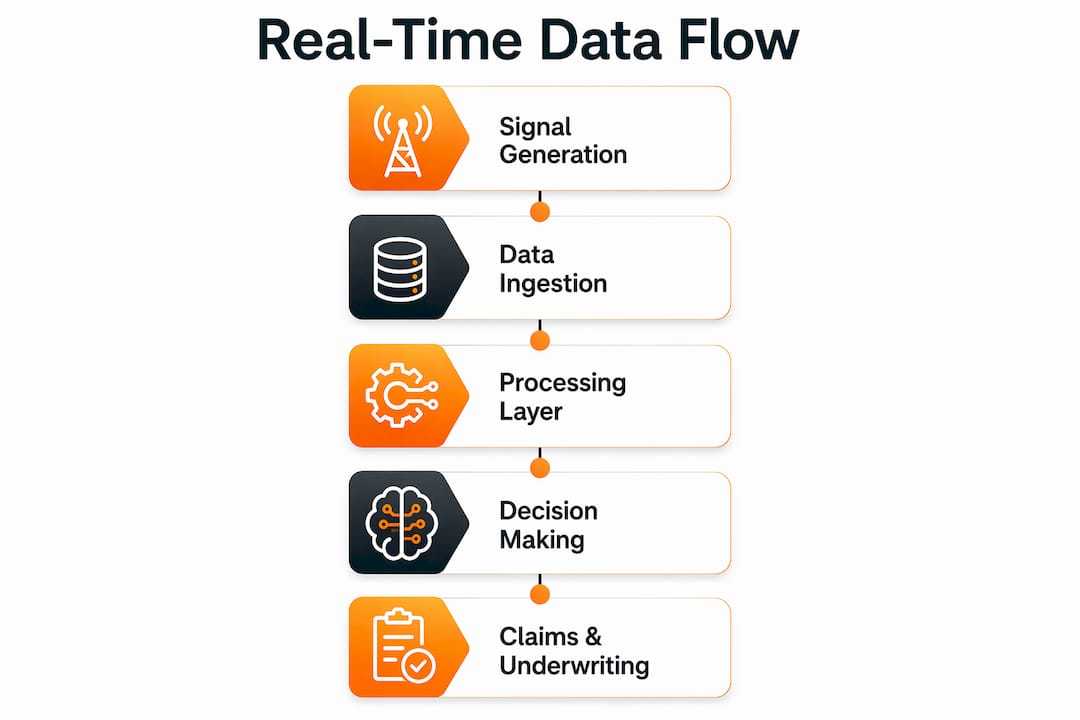
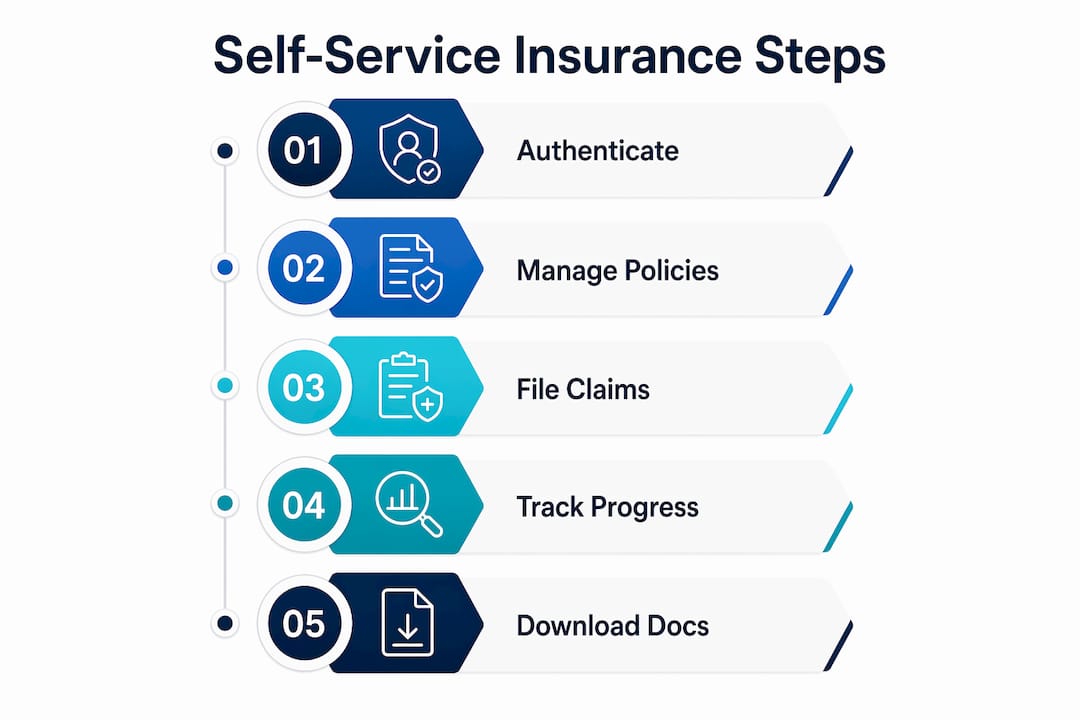
The process begins at First Notice of Loss (FNOL). In a digital system, policyholders submit claims via mobile apps, web portals, or API-connected third-party channels. Structured data enters the system immediately, triggering automated validation and routing. This replaces the traditional phone call or paper form, which required manual data entry and introduced transcription errors from the outset.

Once FNOL data is captured, the system applies a rules engine to triage the claim. Simple, low-risk claims meeting pre-set criteria move directly to settlement without human intervention. This is straight-through processing (STP). More complex claims, or those flagging anomalies, route to an adjuster queue with supporting data already assembled. The adjuster reviews a pre-populated file rather than building one from scratch.

AI layers sit above the rules engine and handle tasks that require pattern recognition rather than binary logic. These include document analysis, damage assessment from photographs, behavioural fraud scoring, and reserve recommendations. AI-powered claims systems perform 30–40% of the claims lifecycle work before a human adjuster becomes involved. That proportion frees adjusters to focus on genuinely complex cases where human judgement adds value.


Core components of a digital claims management system

A digital claims management system is not a single application. It is a set of integrated modules, each handling a distinct stage of the claims lifecycle.

FNOL capture and validation collects structured data at intake, validates policy coverage in real time, and flags missing information before the claim progresses. Clean data at this stage is the foundation for every automated step that follows.
Infographic of digital claims process steps

STP rules engine applies deterministic logic to auto-adjudicate eligible claims. STP automates based on coverage type, fraud score thresholds, and claim value limits. It does not learn or adapt; it executes configured rules consistently and at scale.

AI adjudication layer supplements STP with machine learning models that analyse documents, assess damage from images, and score claims for fraud risk using behavioural analytics. This layer handles the grey areas that rules engines cannot resolve.

Fraud detection and analytics cross-references claim data against historical patterns, third-party databases, and network link analysis to identify suspicious submissions before payment is authorised.

Digital payment and settlement processes approved claims through direct bank transfer or digital payment rails, generating automated settlement letters and closing the claim record without manual intervention.

Subrogation and recovery tracking identifies recovery opportunities automatically and initiates the subrogation process, which is frequently overlooked in manual operations due to workload pressure.

Pro Tip: Before selecting a platform, map your current FNOL data fields against the system’s intake schema. Gaps here cause downstream automation failures that no AI layer can compensate for.

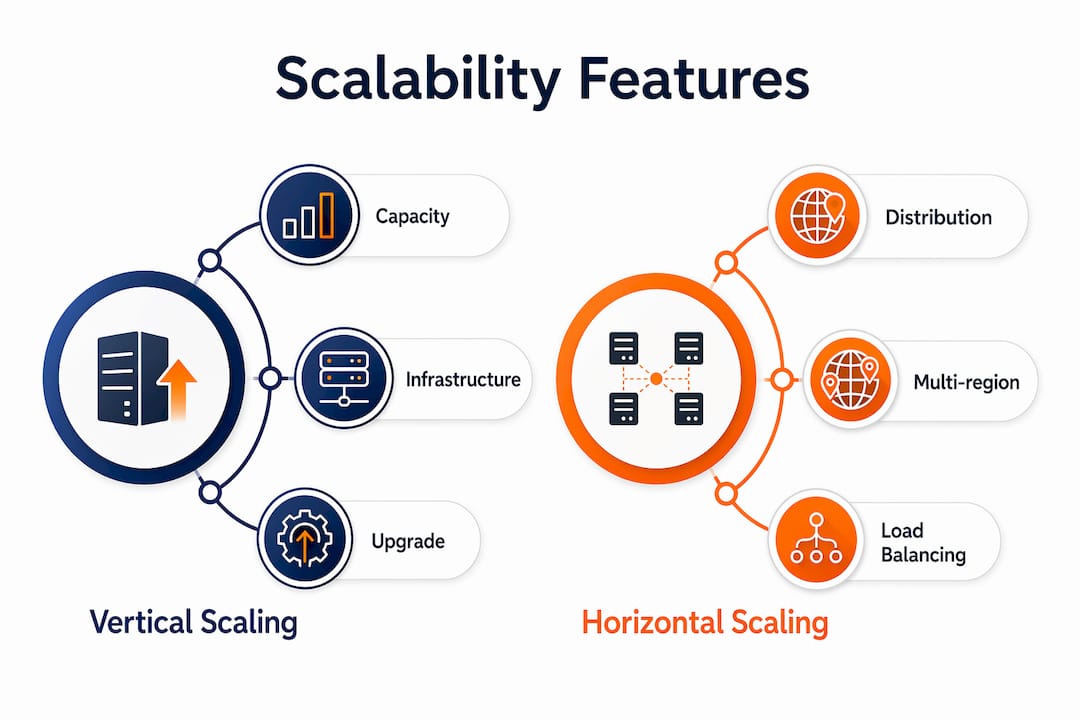
Modern systems use modular architectures that connect to legacy policy administration and billing platforms via APIs. Carriers prefer modular integration over full replacement because it allows iterative improvement of individual lifecycle stages without operational disruption.


What are the measurable benefits of digital claims management?

The financial case for digital claims processing is well documented. Per-claim costs fall from the £15–£22 range typical of manual operations to £3–£5 with full automation. That reduction reflects lower labour input, fewer errors requiring rework, and faster cycle times that reduce reserve holding periods.

Cycle time compression is equally significant. Claims that previously took 14 days to settle can close in under 24 hours when they meet STP criteria. That speed directly affects customer satisfaction. Policyholders who receive fast, transparent claim settlements are measurably more likely to renew and less likely to escalate complaints to regulators.

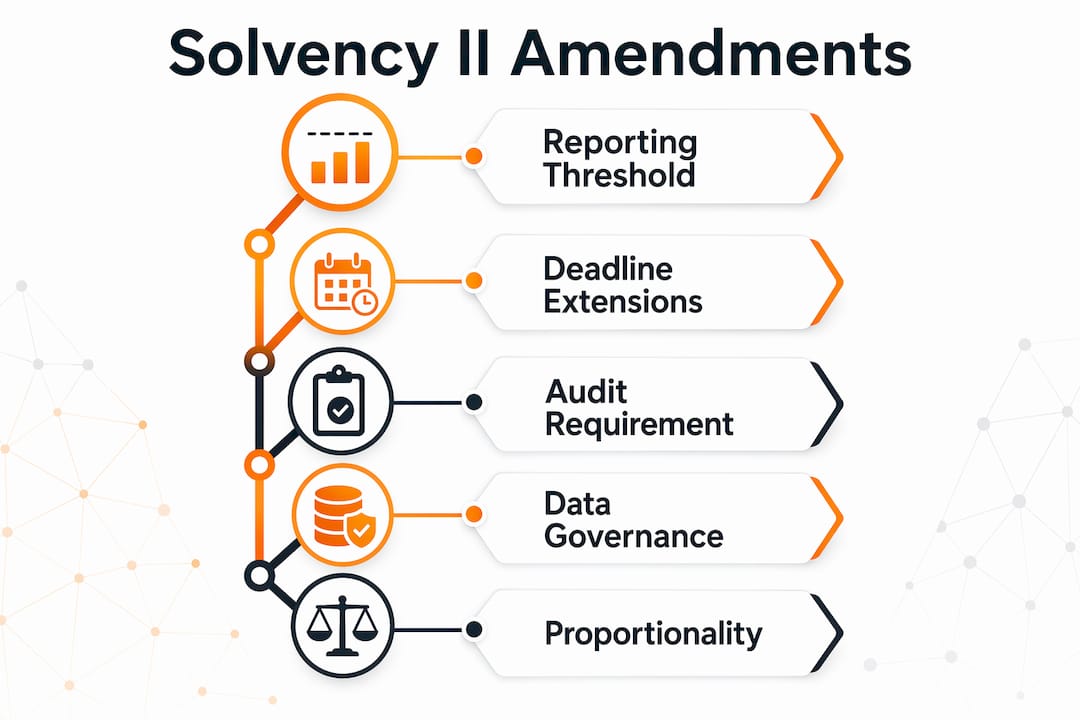
Accuracy improves because automated systems apply rules consistently. A human adjuster working under time pressure may miss a coverage exclusion or miscalculate a reserve. A rules engine applies the same logic to every claim, every time. This consistency reduces errors, supports audit trails, and simplifies regulatory reporting under frameworks such as Solvency II.

Operational scalability is a less-discussed but equally important benefit. A manual claims operation scales by hiring. A digital operation scales by configuration. When claim volumes spike after a weather event, a digital system absorbs the increase without proportional cost growth. That elasticity is a material advantage for P&C insurers managing catastrophe exposure.

For a detailed breakdown of how these efficiency gains translate into process improvements, the claims processing efficiency guide from Ibapplications covers practical steps insurers are taking across European markets.


How digital claims workflows differ from manual processes

Manual claims handling is characterised by sequential, human-dependent steps. Each handoff between departments introduces delay and the risk of data loss. A claim submitted by post or phone requires manual data entry, physical document storage, and repeated follow-up calls to gather missing information. Fraud detection relies on adjuster experience rather than systematic analysis.

Digital workflows replace sequential handoffs with parallel, automated processes. The key differences are structural, not cosmetic.

  • Intake: Digital systems capture structured data at submission. Manual systems transcribe unstructured information, introducing errors immediately.
  • Triage: AI and STP route claims in seconds based on risk and complexity. Manual triage depends on adjuster availability and judgement, creating bottlenecks.
  • Communication: Digital platforms send automated status updates at each lifecycle stage. Manual operations rely on outbound calls, which are inconsistent and resource-intensive.
  • Fraud detection: Automated systems score every claim against fraud indicators in real time. Manual review catches only the cases an adjuster recognises as suspicious.
  • Audit trail: Digital systems log every action, decision, and communication automatically. Manual records are incomplete by nature and difficult to reconstruct for regulatory review.

Modern claims platforms are shifting from systems of record to systems of action, managing claims proactively through real-time risk modelling rather than reacting to adjuster input. That shift fundamentally changes the role of the claims adjuster from data processor to decision-maker.

Pro Tip: Do not automate your current manual process as-is. Map the process first, remove the steps that exist only because of manual constraints, then build the digital workflow around what remains.


How to implement digital claims management successfully

Successful implementation follows a sequence. Skipping steps, particularly the early data and process steps, causes failures that no technology investment can recover.

  1. Standardise FNOL data inputs. Without machine-readable FNOL data, AI workflows fail to deliver benefits. Define mandatory fields, validation rules, and acceptable formats before selecting a platform.

  2. Audit existing processes before automating. Layering AI on broken manual processes causes failure. Identify which steps add value and which exist only to compensate for manual limitations.

  3. Adopt modular integration. Modular integration preserves existing infrastructure while enabling incremental digitalisation. Start with FNOL and STP, then extend to AI adjudication and fraud analytics as confidence grows.

  4. Set realistic automation targets. Realistic STP targets for personal lines sit between 40% and 70% of claim volume. Targeting 100% automation introduces operational risk because edge cases always require human review.

  5. Train adjusters on the new role. Adjusters in a digital operation review AI recommendations and handle complex exceptions. That requires different skills than traditional end-to-end manual handling. Invest in training before go-live, not after.

  6. Monitor and refine continuously. Rules engines and AI models degrade if not maintained. Schedule regular reviews of auto-adjudication accuracy, fraud detection rates, and STP throughput to identify where rules need updating.

For a step-by-step breakdown of the automation build sequence, the claims automation guide from Ibapplications covers each phase in practical detail.


Key takeaways

Digital claims management delivers measurable efficiency, accuracy, and cost benefits when built on clean data, modular integration, and realistic automation targets.

Point Details
Define the process before automating Map and simplify claims workflows before applying STP or AI to avoid embedding inefficiencies.
FNOL data quality is foundational Machine-readable, structured intake data is the prerequisite for every automated step downstream.
STP and AI serve different functions STP applies deterministic rules; AI handles complex pattern recognition. Both are needed for full lifecycle coverage.
Set realistic automation targets Personal lines STP targets of 40%–70% of claim volume reduce risk while delivering material efficiency gains.
Modular integration reduces disruption Connecting digital modules to legacy systems via APIs allows incremental improvement without full platform replacement.

The uncomfortable truth about digital claims adoption

Having worked closely with P&C insurers across European markets on claims digitalisation projects, the pattern I see most often is this: insurers invest in a capable platform and then underperform their targets because they automated the wrong thing.

The technology is rarely the problem. The problem is that manual claims processes accumulate workarounds over years. Steps exist not because they add value but because a previous system required them. When you digitise those steps, you lock inefficiency into code. It becomes harder to see and harder to change than the paper form it replaced.

The insurers who get the most from digital claims management are the ones who treat implementation as a process redesign project with a technology component, not a technology project with a process component. That distinction sounds subtle. In practice, it determines whether you hit your automation targets or spend two years debugging a rules engine that was configured around the wrong process.

The other thing I would caution against is treating STP rate as the primary success metric. A high STP rate on low-value, low-risk claims is easy to achieve and tells you relatively little about the health of your claims operation. The more revealing metrics are adjuster time per complex claim, fraud detection accuracy, and customer satisfaction scores at settlement. Those numbers tell you whether the digital system is actually improving outcomes or just moving volume faster.

AI’s role will expand, but the fundamentals will not change. Clean data in, reliable decisions out. The insurers building that foundation now will have a genuine operational advantage as AI capabilities mature.

— Tuna


How IBSuite supports digital claims transformation

Ibapplications built IBSuite as a cloud-native, API-first platform covering the full P&C insurance value chain, including a dedicated claims management module designed for modular deployment alongside existing core systems. IBSuite supports automated FNOL capture, STP rules configuration, AI-assisted adjudication, and digital payment processing within a single integrated environment. The platform connects to legacy policy administration systems via open APIs, which means European insurers can digitalise their claims operation incrementally without replacing functioning infrastructure. For insurers also looking at how claims integrates with broader policy operations, the policy administration platform provides the connected foundation that makes end-to-end automation achievable.


FAQ

What is digital claims management in insurance?

Digital claims management is the end-to-end handling of insurance claims using automated, AI-driven platforms from first notice of loss through to settlement, replacing manual paper and phone-based processes.

How does straight-through processing differ from AI adjudication?

STP applies pre-configured business rules to auto-settle eligible claims without human input. AI adjudication analyses documents, images, and behavioural data to support decisions on more complex claims that rules alone cannot resolve.

What automation rate is realistic for personal lines claims?

Realistic STP targets for personal lines sit between 40% and 70% of claim volume. Targeting higher rates increases operational risk because edge cases and complex claims always require human review.

Why does FNOL data quality matter so much?

Structured, machine-readable data at first notice of loss is the prerequisite for every automated step downstream. Poor FNOL data causes AI workflows to fail regardless of platform capability.

How do digital claims systems reduce fraud?

Digital platforms score every claim against fraud indicators in real time using behavioural analytics, network link analysis, and historical pattern matching, identifying suspicious submissions before payment is authorised rather than after.