portalId 145238543 hublet eu1 environment prod defaultChatFlow ----

6 Types of Insurance Platforms You Should Know

Digital platforms are rewriting the rules of insurance and making policy shopping faster and easier for millions of Americans. Yet most people miss the fact that some policy administration platforms now cut manual work by up to 92 percent. The real surprise is how many other hidden tech breakthroughs are powering this industry shakeup and changing everything customers thought they knew about buying insurance.

Table of Contents

Quick Summary

Takeaway Explanation
Direct-to-Consumer Platforms Simplify Insurance Purchases D2C platforms eliminate intermediaries, allowing users to directly interact with insurers through intuitive online interfaces.
Comparative Rating Platforms Enhance Decision-Making These platforms provide real-time, comprehensive comparisons of insurance policies, helping consumers make informed choices quickly.
CRM Platforms Foster Customer Loyalty Advanced CRM tools track and analyze customer interactions, enabling personalized engagement that builds trust and retention.
Analytics Platforms Optimize Operational Efficiency BI tools help insurers turn complex data into strategic insights, improving decision-making and overall business performance.

1: Understanding Direct-to-Consumer Platforms

Direct-to-consumer (D2C) insurance platforms represent a transformative approach in the insurance technology landscape, fundamentally changing how insurance products are researched, purchased, and managed. These digital platforms eliminate traditional intermediaries, enabling consumers to interact directly with insurance providers through intuitive online interfaces.

The emergence of D2C insurance platforms has been driven by several critical technological and consumer behavior shifts. According to research from Cambridge University, the digitization of insurance services has dramatically reshaped customer expectations and interaction models.

Key characteristics of successful direct-to-consumer insurance platforms include:

  • Seamless Digital Experience: User-friendly interfaces that simplify complex insurance purchasing processes
  • Real-time Customization: Instant policy generation and personalized pricing based on individual risk profiles
  • Transparent Pricing: Clear, upfront cost structures without hidden fees
  • Rapid Onboarding: Quick application and approval processes

These platforms leverage advanced technologies such as artificial intelligence, machine learning, and data analytics to provide personalized insurance solutions. By analyzing individual customer data, they can offer more accurate risk assessments and tailored product recommendations.

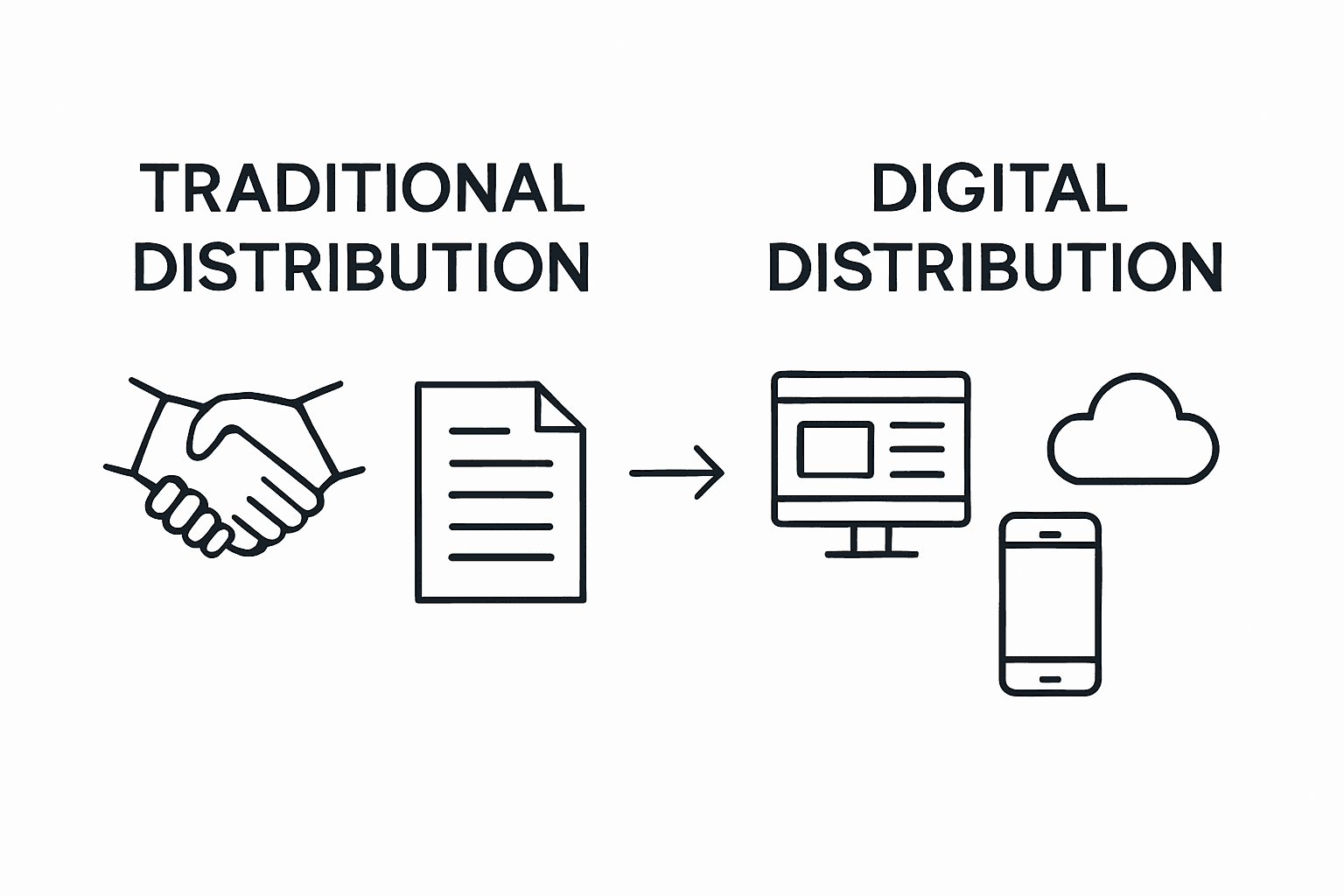
Consumers are increasingly gravitating towards D2C platforms due to their convenience, speed, and ability to compare multiple options instantly. The traditional insurance purchasing model of scheduling meetings with agents and processing extensive paperwork is being rapidly replaced by these digital-first solutions.

The competitive advantage of D2C insurance platforms lies in their ability to reduce operational costs, streamline customer interactions, and provide more flexible, responsive insurance products. As digital transformation continues to reshape the insurance industry, these platforms are becoming not just an alternative but a primary method of insurance purchasing for tech-savvy consumers.

2: Exploring Comparative Rating Platforms

Comparative rating platforms represent a sophisticated technological solution that empowers consumers and insurance professionals to analyze and evaluate multiple insurance products simultaneously. These digital platforms provide comprehensive comparisons across different insurance providers, enabling users to make informed decisions based on pricing, coverage, and specific risk parameters.

According to research from the Journal of Eastern European and Central Asian Research, comparative rating platforms have significantly transformed how insurance products are evaluated and purchased. These platforms utilize advanced algorithms and real-time data processing to deliver instantaneous and accurate comparisons.

Key features of advanced comparative rating platforms include:

  • Instant price comparisons across multiple insurance providers
  • Comprehensive coverage analysis and risk assessment tools
  • Personalized recommendation engines
  • Transparent pricing and detailed policy information

The technological infrastructure behind these platforms integrates multiple data sources, including historical claims data, risk profiles, and current market trends. By leveraging machine learning and artificial intelligence, comparative rating platforms can provide highly personalized insurance recommendations that match individual user requirements.

Industry professionals benefit significantly from these platforms, as they streamline the complex process of insurance product evaluation. Instead of manually comparing numerous policies, users can access comprehensive insights within seconds. This efficiency reduces administrative overhead and enables more strategic decision-making.

Consumers gain unprecedented transparency through comparative rating platforms. These digital tools democratize insurance information, allowing individuals to understand nuanced differences between policies that were previously difficult to comprehend. By presenting complex insurance details in user-friendly formats, these platforms empower consumers to make more confident and informed choices about their insurance coverage.

3: Analyzing Customer Relationship Management (CRM) Platforms

Customer Relationship Management (CRM) platforms have become essential technological tools in the insurance industry, transforming how organizations manage and engage with their customers. These sophisticated digital systems go far beyond traditional contact management, providing comprehensive solutions for tracking, analyzing, and optimizing customer interactions.

According to research from the Leibniz Information Centre for Economics, CRM platforms are critical for insurance companies seeking to enhance customer retention and develop more personalized service strategies. These platforms integrate multiple data streams to create holistic customer profiles that enable more intelligent and responsive business practices.

Key capabilities of modern insurance CRM platforms include:

  • Advanced customer segmentation and targeting
  • Real-time interaction tracking across multiple communication channels
  • Predictive analytics for customer behavior and risk assessment
  • Automated communication and personalized marketing workflows

The technological backbone of these platforms leverages artificial intelligence and machine learning to provide unprecedented insights into customer preferences and behaviors. By analyzing historical data, CRM systems can predict customer needs, identify potential churn risks, and recommend proactive engagement strategies.

Insurance professionals can explore advanced CRM integration strategies to understand how these platforms drive operational efficiency. The most effective CRM solutions seamlessly integrate with other insurance technology platforms, creating a unified ecosystem that supports end-to-end customer management.

Customer experience has become the primary differentiator in the competitive insurance marketplace. CRM platforms enable organizations to move beyond transactional relationships, creating personalized, data-driven interactions that build long-term customer loyalty and trust. By providing comprehensive visibility into customer journeys, these platforms help insurance providers anticipate needs, resolve issues quickly, and deliver exceptional service experiences.

4: Discovering Policy Administration Platforms

Policy Administration Platforms represent the technological backbone of modern insurance operations, providing comprehensive systems that manage the entire lifecycle of insurance policies from initial creation to final settlement. These sophisticated digital platforms have revolutionized how insurance companies process, track, and manage complex policy information.

According to research from automated validation studies, modern Policy Administration Systems (PAS) can achieve remarkable efficiency gains, with some implementations reducing manual validation efforts by up to 92%. This technological breakthrough demonstrates the transformative potential of advanced policy management platforms.

Key characteristics of advanced policy administration platforms include:

  • Seamless policy lifecycle management
  • Automated underwriting and risk assessment
  • Real-time policy modification capabilities
  • Comprehensive compliance and regulatory tracking
  • Integration with multiple data sources and external systems

The technological infrastructure of these platforms leverages artificial intelligence and machine learning to streamline complex insurance processes. By automating routine tasks, these systems enable insurance professionals to focus on strategic decision-making and customer relationship management.

Insurance companies can explore next-generation policy administration solutions that offer unprecedented flexibility and operational efficiency. Modern platforms go beyond traditional record-keeping, providing dynamic tools that adapt to changing market conditions and regulatory requirements.

These platforms play a critical role in digital transformation, enabling insurance providers to:

  • Reduce operational costs
  • Improve customer experience
  • Accelerate product development
  • Enhance risk management capabilities

The future of insurance administration lies in platforms that can quickly adapt to emerging technologies, integrate complex data streams, and provide actionable insights. By embracing advanced Policy Administration Platforms, insurance organizations can create more responsive, efficient, and customer-centric business models.

5: Investigating Claims Management Platforms

Claims Management Platforms represent a critical technological evolution in the insurance ecosystem, transforming how organizations process, track, and resolve insurance claims. These sophisticated digital systems leverage advanced technologies to streamline complex claims workflows, reduce processing times, and enhance overall customer satisfaction.

According to research on digital transformation in the insurance sector, modern claims management platforms are redefining traditional claims processing models by introducing unprecedented levels of efficiency and transparency.

Key technological capabilities of advanced claims management platforms include:

  • Automated claims intake and initial assessment
  • Real-time claim status tracking
  • Intelligent fraud detection mechanisms
  • Seamless communication channels with claimants
  • Integrated document management systems

The technological infrastructure of these platforms integrates artificial intelligence, machine learning, and data analytics to provide comprehensive claims resolution capabilities. By analyzing historical claims data, these systems can predict potential complexities, recommend optimal resolution strategies, and minimize processing delays.

Explore innovative claims management transformation strategies that can revolutionize insurance operational workflows. Modern platforms go beyond simple transaction processing, offering intelligent insights that help insurance providers make data-driven decisions.

Insurance companies benefit from claims management platforms through:

  • Reduced operational costs
  • Enhanced customer experience
  • Faster claims resolution
  • Improved risk assessment capabilities
  • Greater regulatory compliance

As digital technologies continue to advance, claims management platforms will play an increasingly strategic role in insurance operations. By embracing these innovative solutions, insurers can create more responsive, transparent, and customer-centric claims processes that differentiate them in a competitive marketplace.

6: Evaluating Analytics and Business Intelligence Platforms

Analytics and Business Intelligence (BI) Platforms have emerged as transformative technological solutions that enable insurance organizations to convert complex data into strategic insights. These sophisticated platforms leverage advanced algorithms, machine learning, and comprehensive data visualization tools to provide actionable intelligence across all organizational levels.

According to research analyzing business intelligence practices, modern BI platforms are critical in helping insurance companies make data-driven decisions that optimize operational performance and customer experiences.

Key technological capabilities of advanced analytics and BI platforms include:

  • Predictive modeling and risk assessment
  • Real-time performance dashboards
  • Comprehensive data integration from multiple sources
  • Advanced statistical analysis and trend identification
  • Customizable reporting mechanisms

The technological infrastructure of these platforms combines multiple data science techniques to transform raw information into meaningful strategic insights. By utilizing artificial intelligence and machine learning, these systems can identify complex patterns, predict potential market shifts, and provide recommendations that traditional analysis methods cannot.

Discover transformative business intelligence strategies that can revolutionize insurance operational intelligence. Modern platforms transcend traditional reporting, offering dynamic, interactive tools that enable proactive decision-making.

Insurance organizations benefit from analytics and BI platforms through:

  • Enhanced strategic planning capabilities
  • Improved risk management processes
  • More accurate pricing models
  • Better customer segmentation
  • Increased operational efficiency

As digital technologies continue to evolve, analytics and business intelligence platforms will become increasingly sophisticated. By embracing these innovative solutions, insurers can develop more responsive, intelligent, and competitive business models that adapt quickly to changing market dynamics.

Below is a comprehensive table summarizing the seven main types of insurance platforms discussed in the article, highlighting their core functions, key features, and primary benefits for insurers and customers.

Platform Type Core Functions Key Features and Technologies Primary Benefits
Direct-to-Consumer (D2C) Platforms Enable direct purchase of insurance by consumers Seamless digital experiences, real-time customization, transparent pricing Simplifies buying process, rapid onboarding
Comparative Rating Platforms Real-time comparison of multiple insurance policies Instant pricing, AI-driven recommendations, comprehensive coverage analysis Informs decision-making, increases transparency
CRM Platforms Manage and analyze customer relationships Advanced segmentation, predictive analytics, automated engagement Boosts retention, personalizes customer service
Policy Administration Platforms Manage policy lifecycle from creation to settlement Automated underwriting, compliance tracking, real-time policy modification Cuts manual work, improves efficiency
Claims Management Platforms Streamline claims intake, tracking, and resolution AI-powered assessment, fraud detection, real-time status updates Faster settlements, greater transparency
Analytics & BI Platforms Convert complex data into strategic business intelligence Predictive modeling, data visualization, customizable reporting Optimizes operations, better risk assessment

Frequently Asked Questions

What are direct-to-consumer insurance platforms?

Direct-to-consumer insurance platforms are digital platforms that allow consumers to buy insurance products directly from providers, eliminating the need for traditional intermediaries like agents.

How do comparative rating platforms enhance insurance purchasing?

Comparative rating platforms empower consumers by allowing them to analyze and compare multiple insurance products side by side, helping them make informed decisions based on pricing, coverage, and risk factors.

What features should I look for in a customer relationship management (CRM) platform for insurance?

Key features include advanced customer segmentation, real-time interaction tracking, predictive analytics for customer behavior, and automated communication workflows to enhance customer engagement and retention.

Recommended

Claims Automation Step by Step: Enhance Processing Efficiency

Insurance claims automation promises faster processing and fewer errors, but most companies still rely on outdated manual steps in their workflows. Here is something few realize. Manual data entry points and repetitive verification steps often eat up a surprising majority of staff hours. When you see just how much time is wasted on the basics, the real opportunity for improvement jumps out and changes how you think about upgrading your claims process.

Table of Contents

Quick Summary

Key Point Explanation
1. Assess Your Current Claims Process Analyze your existing workflow to identify inefficiencies and bottlenecks. This understanding preps you for strategic automation.
2. Identify Automation Opportunities Pinpoint specific tasks to automate for enhanced efficiency. Focus on repetitive, rule-based tasks that benefit from technology.
3. Select the Right Automation Tools Carefully evaluate technologies that align with your automation goals. Prioritize user-friendly solutions that offer real-time insights and robust features.
4. Design an Automated Workflow Create a structured workflow mapping each claims process stage. Integrate technology thoughtfully to enhance efficiency and accuracy.
5. Monitor and Optimize Performance Establish a performance monitoring framework for continuous improvement. Use insights to refine processes and enhance operational effectiveness.

Step 1: Assess Your Current Claims Process

Assessing your current claims process is the foundational step in claims automation. This critical evaluation uncovers inefficiencies, bottlenecks, and opportunities for transformative improvement across your insurance workflow. Understanding your existing process enables strategic implementation of automation technologies that deliver meaningful operational enhancements.

Infographic showing two key steps: process assessment and automated implementation in claims.

Begin by conducting a comprehensive process mapping exercise. Gather your claims team and document each touchpoint in your current claims handling workflow. Walk through actual claim scenarios from initial reporting to final resolution, tracking every action, decision point, and stakeholder interaction. Pay special attention to manual data entry points, repetitive tasks, and time-consuming verification steps.

During this assessment, document key metrics that reveal process performance. Measure average processing times, error rates, staff hours spent on routine tasks, and customer satisfaction scores. Look for patterns where human intervention creates delays or introduces potential errors. Some critical areas to analyze include document processing, claim validation, communication workflows, and final settlement procedures.

The table below summarizes typical metrics to document during claims process assessment, helping ensure a thorough and measurable evaluation.

Metric Description Why It Matters
Average Processing Time Time taken to process a claim from start to finish Reveals bottlenecks and areas for speed improvement
Number of Manual Touchpoints Count of manual interventions in a claim cycle Indicates potential areas for automation
Error Rate Percentage of claims with data entry or processing errors Highlights where automation could reduce mistakes
Staff Hours on Repetitive Tasks Total time staff spend on routine activities Identifies opportunities to improve labor efficiency
Rework Requirements Instances where claims need correction or reprocessing Shows process complexity and points needing simplification
Customer Satisfaction Scores Metrics from post-claim surveys or feedback Reflects the impact of process changes on customer experience

Specific evaluation techniques should involve both quantitative and qualitative analysis. Interview claims processors about their daily challenges, review historical claim processing data, and analyze system logs that capture workflow inefficiencies. Read more about transforming claims management to understand how leading insurers approach process assessment.

Successful process assessment requires honest, detailed documentation. Create a comprehensive report that highlights:

  • Exact time spent on each claims processing stage
  • Number of manual touchpoints per claim
  • Average processing times
  • Error rates and rework requirements
  • Staff hours dedicated to repetitive tasks

Once you have a clear picture of your current claims process, you’ll be prepared to strategically design an automation approach that addresses specific organizational needs and challenges.

Step 2: Identify Automation Opportunities

Identifying automation opportunities is a strategic process that transforms your claims workflow from manual, time-consuming operations to efficient, technology-driven systems. This critical step focuses on pinpointing specific areas where technology can deliver substantial improvements in speed, accuracy, and overall operational performance.

Technology assessment begins with understanding your current pain points. Analyze the data collected during your initial process mapping to recognize repetitive tasks, bottlenecks, and areas prone to human error. Claims processing typically includes several prime candidates for automation such as initial claim intake, document classification, data extraction, preliminary validation, and routine communication workflows.

Concentrate on tasks that are rule-based, standardized, and high-volume. These characteristics make processes ideal for robotic process automation (RPA) and artificial intelligence integration. Common automation targets include digitizing paper documents, automatically categorizing incoming claims, extracting key information from forms, conducting initial fraud screenings, and generating standard communications.

Learn more about automation in P&C insurance to understand the broader technological landscape. When evaluating potential automation opportunities, consider both technological feasibility and potential return on investment. Some key areas to explore include:

  • Data entry and document processing
  • Initial claim routing and triage
  • Basic eligibility verification
  • Standard communication generation
  • Preliminary damage assessment workflows

Successful opportunity identification requires cross-functional collaboration. Engage claims processors, IT specialists, and technology experts to develop a comprehensive view of potential automation strategies. Create a detailed matrix ranking potential automation initiatives based on complexity, implementation cost, expected efficiency gains, and potential impact on customer experience.

Verify your automation opportunity assessment by developing clear metrics. These should include projected time savings, expected error reduction, potential cost savings, and anticipated improvements in claims processing speed. A thorough evaluation ensures that your subsequent automation implementation will deliver meaningful organizational benefits.

This table provides a quick-reference overview of key claims automation opportunities, with a focus on their characteristics and potential efficiency gains.

Automation Opportunity Type of Task Key Benefit
Data Entry & Document Processing Repetitive, rule-based Accelerates handling, reduces errors
Initial Claim Routing & Triage Standardized decision-making Improves allocation, speeds onboarding
Basic Eligibility Verification Standardized, high-volume Decreases manual checks, increases accuracy
Routine Communication Generation Format-based, high-frequency Saves time on customer updates
Preliminary Damage Assessment Rule-based evaluations Rapid initial assessments, early detection of major claims
Document Classification Sorting and organizing Streamlines digital workflows

Step 3: Select Automation Tools and Technologies

Selecting the right automation tools and technologies is a pivotal moment in your claims processing transformation. This step requires careful evaluation of technological solutions that align precisely with the automation opportunities identified in your previous assessment. The goal is not just implementing technology, but integrating intelligent solutions that dramatically enhance operational efficiency.

Start by conducting a comprehensive market analysis of claims automation technologies. Focus on solutions offering robust optical character recognition (OCR), artificial intelligence, machine learning capabilities, and seamless integration with existing systems. Evaluate tools that provide end-to-end automation across document processing, data extraction, initial claim assessment, and communication workflows. Look for platforms that offer flexible configurations, scalable infrastructure, and intuitive user interfaces that minimize disruption to current operational processes.

Explore automation technologies in P&C insurance to understand the evolving technological landscape. When evaluating potential tools, prioritize solutions that demonstrate:

  • Advanced machine learning capabilities
  • Robust security and compliance features
  • Seamless system integration
  • Scalable and flexible architectural design
  • Comprehensive reporting and analytics functions

Engaging multiple stakeholders during the selection process is crucial. Involve claims processors, IT specialists, compliance officers, and technology experts to ensure a holistic evaluation. Create a detailed selection matrix that scores potential technologies against key criteria such as implementation complexity, total cost of ownership, expected efficiency gains, and alignment with organizational strategic objectives.

Consider conducting pilot tests or requesting detailed demonstrations from potential technology providers. These hands-on evaluations allow your team to assess real-world performance, user experience, and compatibility with existing workflows. Verify tool effectiveness by establishing clear performance benchmarks including processing speed, error reduction rates, cost savings projections, and potential improvements in overall claims handling efficiency. The right technological solution will not just automate tasks but fundamentally transform your claims processing approach.

Step 4: Design Your Automated Workflow

Designing an automated workflow represents the critical translation of your strategic vision into a practical, operational reality. This step transforms your identified automation opportunities into a structured, intelligent process that seamlessly integrates technology with existing organizational capabilities. The goal is creating a workflow that not only reduces manual intervention but also enhances overall claims processing intelligence.

Begin by developing a comprehensive process blueprint that maps each stage of the claims journey. Start with claim intake and document precise automation points where technology can replace or augment human intervention. Focus on creating clear decision trees that outline how artificial intelligence and robotic process automation will handle different claim scenarios. Establish explicit rules for data validation, initial assessment, routing, and communication triggers that will be managed automatically.

Learn more about workflow automation strategies to understand advanced implementation techniques. Ensure your workflow design incorporates critical considerations such as:

  • Intelligent document classification rules
  • Automated data extraction parameters
  • Predefined escalation and human intervention protocols
  • Compliance and validation checkpoints
  • Real-time tracking and reporting mechanisms

Collaboration is essential during workflow design. Engage claims processors, technology specialists, and compliance experts to create a holistic approach that balances technological capabilities with practical operational requirements. Develop scenario-based testing protocols that simulate various claim types and complexity levels. This approach allows you to refine workflow logic, identify potential bottlenecks, and ensure the automated system can handle nuanced processing requirements.

Verify your workflow design by establishing clear performance metrics and validation checkpoints. Create a comprehensive testing environment that mimics real-world claims processing scenarios. Measure the automated workflow against key performance indicators including processing speed, accuracy rates, error reduction, and overall operational efficiency. A well-designed automated workflow will demonstrate consistent performance, adaptability, and the ability to continuously improve through integrated learning mechanisms.

design automated workflow claims

Step 5: Implement and Test the Automated System

Implementing and testing your automated claims processing system represents the critical moment where theoretical design transforms into operational reality. This phase demands meticulous planning, incremental rollout, and comprehensive validation to ensure technological solutions deliver promised efficiency gains. Your implementation strategy should prioritize controlled deployment, minimizing potential disruptions to existing claims processing workflows.

Begin with a phased implementation approach, starting with a limited pilot program that processes a small, representative sample of claims. Select claims types that are relatively straightforward and well-defined, allowing your team to closely monitor system performance and identify potential refinement areas. This controlled environment enables you to validate system capabilities, detect potential integration challenges, and make necessary adjustments before full-scale deployment.

Explore implementation strategies for insurance automation to understand best practices in technology integration. During implementation, establish comprehensive testing protocols that evaluate multiple performance dimensions:

  • System accuracy and data processing reliability
  • Integration compatibility with existing infrastructure
  • Processing speed and efficiency metrics
  • Error detection and correction mechanisms
  • Compliance with regulatory requirements

Systematic testing requires creating realistic simulation scenarios that replicate complex claims processing challenges. Engage cross-functional teams including claims processors, IT specialists, and compliance experts to develop comprehensive test cases. Monitor key performance indicators such as processing time reduction, error rate minimization, and overall operational efficiency improvements.

Verify successful implementation through rigorous validation processes. Conduct parallel processing where automated and traditional manual systems operate simultaneously, allowing direct performance comparisons. Gather detailed feedback from users, track system performance metrics, and be prepared to make iterative refinements. A successful implementation demonstrates consistent performance improvements, enhanced accuracy, and tangible operational benefits that justify the technological investment.

Step 6: Monitor Performance and Optimize Processes

Monitoring performance and optimizing processes represents the continuous improvement phase of your claims automation journey. This critical step transforms your automated system from a static solution into a dynamic, self-improving mechanism that consistently delivers enhanced operational efficiency. Continuous performance evaluation ensures your claims processing remains agile, responsive, and aligned with evolving organizational needs.

Establish a comprehensive performance monitoring framework that captures granular insights across multiple operational dimensions. Implement real-time dashboards and analytics tools that track key performance indicators such as processing speed, accuracy rates, error reduction, cost savings, and overall system efficiency. Create a systematic approach to collecting and analyzing performance data, allowing your team to identify patterns, detect potential bottlenecks, and uncover opportunities for further optimization.

Explore advanced performance optimization strategies to understand cutting-edge monitoring techniques. Your performance monitoring should focus on critical metrics including:

  • Auto-adjudication rates
  • Claims processing time
  • First-pass resolution percentage
  • Error and rework rates
  • Customer satisfaction scores
  • Operational cost reductions

Regular performance reviews should involve cross-functional teams, bringing together claims processors, technology specialists, and business leaders. Conduct monthly or quarterly deep-dive analysis sessions that examine system performance holistically. Use these sessions to discuss emerging trends, validate existing automation strategies, and collaboratively develop targeted improvement initiatives.

Verify optimization efforts by establishing a continuous improvement protocol. Implement an iterative feedback loop that allows for rapid system adjustments based on performance insights. Be prepared to make incremental refinements, ranging from minor algorithm tweaks to more substantial workflow redesigns. A successful optimization strategy demonstrates consistent performance improvements, adaptability to changing operational requirements, and a commitment to leveraging technology as a strategic competitive advantage.

Ready to Eliminate Claims Bottlenecks and Drive Real Results?

If you recognize your organization in the struggles of manual touchpoints, slow processing times, and disconnected workflows described in our step-by-step claims automation guide, now is the perfect time to make a change. Your competitors are already modernizing claims management to speed up settlements and improve their customer experience. The path to high-performance claims processing is not just about technology, but about choosing a robust, future-proof platform that supports every stage of your automation journey.

Leverage the power of IBSuite by Insurance Business Applications. IBSuite offers advanced automation capabilities designed specifically for property and casualty insurers who need secure, scalable, and fully integrated solutions. Start reducing error rates and administrative overhead by exploring how cloud-native technology can transform your claims workflow. If you are ready to future-proof your insurance operations and drive superior efficiency, connect with IBA today and see what end-to-end digital transformation can deliver for your business.

Frequently Asked Questions

What is claims automation?

Claims automation refers to the use of technology to streamline and enhance the claims processing workflow within insurance operations, reducing manual tasks and improving efficiency.

How can I assess my current claims process effectively?

To assess your current claims process, conduct a comprehensive process mapping exercise, document each touchpoint, gather metrics related to processing times and error rates, and identify areas that require improvement.

What are the key automation opportunities in claims processing?

Key automation opportunities include initial claim intake, document classification, data extraction, preliminary validation, and routine communication workflows that are repetitive and rule-based.

What tools and technologies should I consider for claims automation?

When selecting automation tools, consider solutions with advanced machine learning capabilities, robust security features, seamless system integration, and scalability to meet your organization’s needs.