portalId 145238543 hublet eu1 environment prod defaultChatFlow ----

How European Insurers Use Data & Automation in 2025

How European Insurers Use Data & Automation in 2025

Insurance analyst reviewing claims data in office

Most american insurers still depend on manual claims processing, yet European insurers have embraced automation that cuts claim processing times by over 50 percent. This shift matters as global policyholders expect speed, transparency, and accuracy when filing claims. As technology reshapes the property and casualty insurance landscape, understanding how automation enhances data accuracy and streamlines complex workflows reveals what sets leading insurers apart in a rapidly evolving market.

Table of Contents

Key Takeaways

Point Details
Claims Automation Transformation Claims automation is reshaping property and casualty insurance by implementing advanced technologies, enhancing efficiency, and improving policyholder experiences.
Integration of Data Sources Insurers are leveraging diverse data sources and automation technologies for improved risk assessment and sophisticated decision-making.
Straight-Through Processing Benefits Implementing straight-through processing can significantly reduce operational workflow complexities and manual intervention, increasing efficiency.
Compliance and Integration Challenges Insurers face complex regulatory environments requiring robust strategies to manage technology integration, data privacy, and algorithmic transparency.

Defining Claims Automation for P&C Insurers

Claims automation represents a strategic technological transformation in property and casualty insurance, shifting from traditional manual processing to intelligent, data-driven workflows. This evolution fundamentally reimagines how insurers handle claims by leveraging advanced technologies to streamline complex processes. European insurers are increasingly adopting sophisticated claims processing technologies that dramatically reduce administrative overhead and improve policyholder experiences.

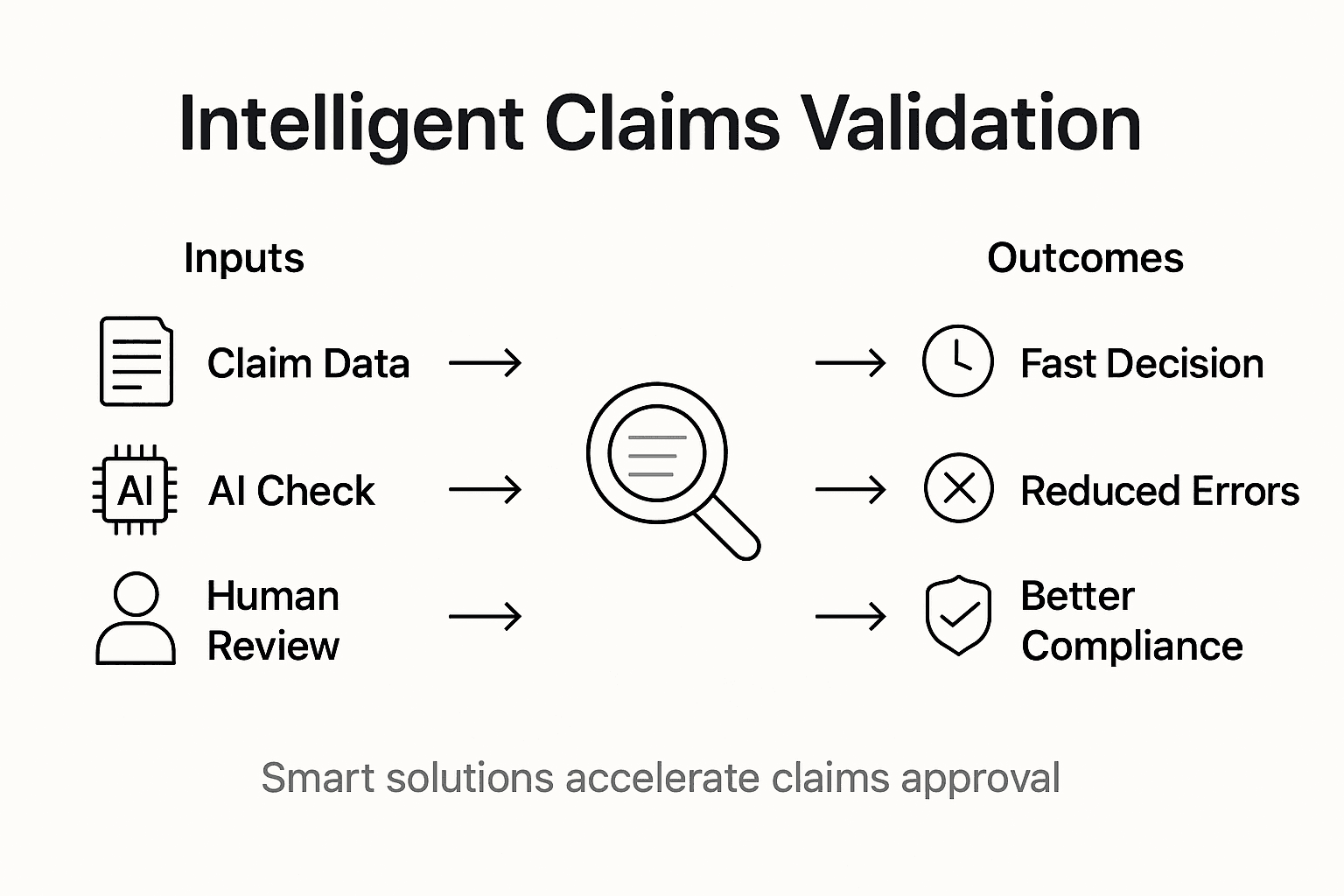
At its core, claims automation integrates multiple technological capabilities to transform claim resolution. Machine learning algorithms and artificial intelligence enable insurers to automatically assess damage, validate documentation, and expedite claim settlements. The OECD research highlights significant investments in automation technologies that dramatically reduce processing times and enhance risk assessment accuracy.

Key components of modern claims automation include:

  • Intelligent document processing
  • Automated damage assessment using computer vision
  • Real-time fraud detection algorithms
  • Predictive analytics for claims trajectory
  • Seamless integration with external data sources

By implementing comprehensive automation strategies, European P&C insurers can transform claims management from a cost center into a strategic competitive advantage. The technological investments not only improve operational efficiency but also create more transparent, responsive interactions with policyholders.

Key Data Sources and Automation Technologies

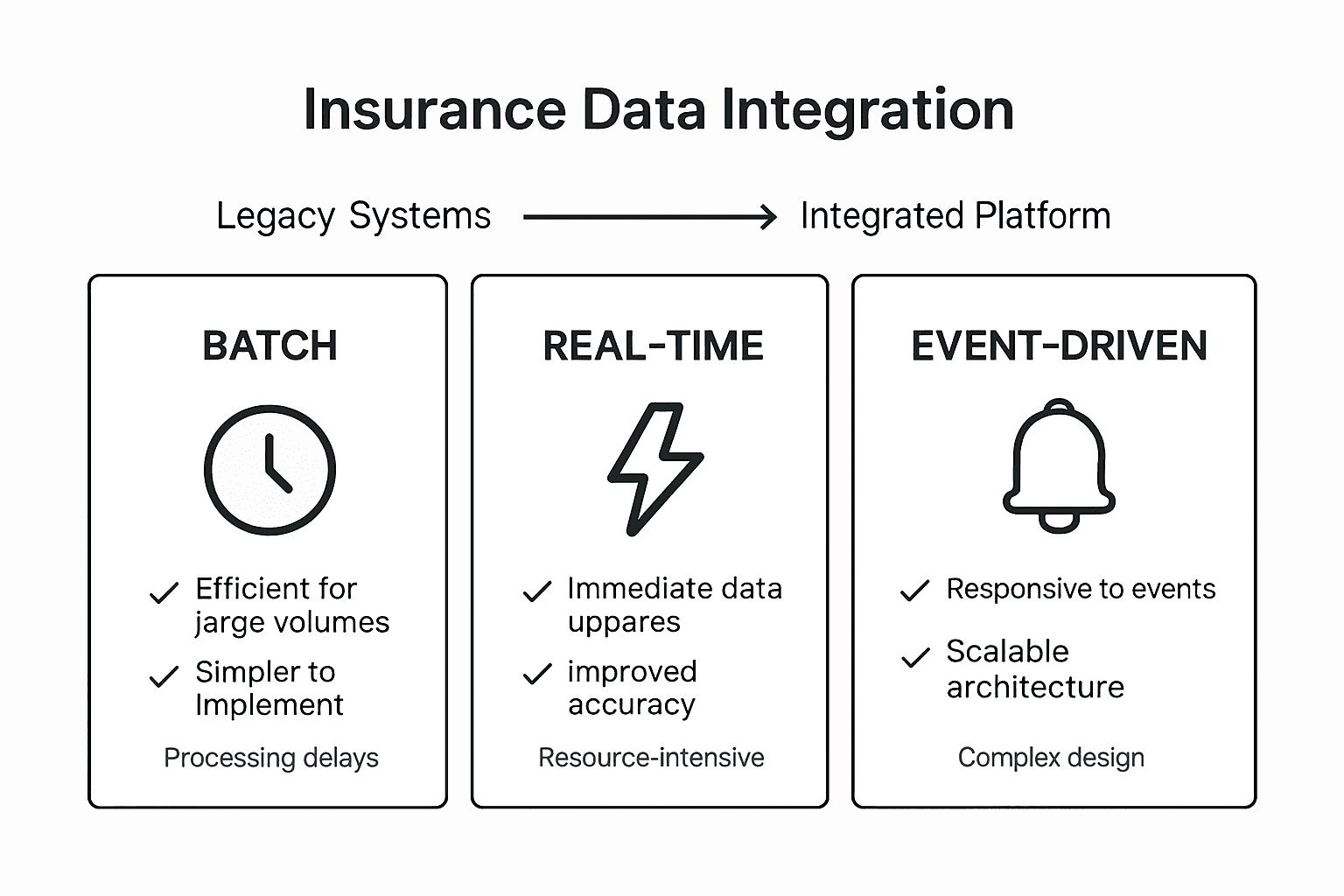
European insurers are transforming their technological infrastructure by integrating diverse data sources and cutting-edge automation technologies to enhance risk assessment and claims processing. Automation technologies are becoming increasingly sophisticated, enabling insurers to leverage complex data ecosystems for more precise decision-making and operational efficiency.

Insurance team meeting on technology integration

The integration of traditional and telematics data represents a critical advancement in insurance analytics. By combining historical insurance records with real-time sensor and vehicle data, insurers can develop more nuanced risk prediction models that go beyond traditional actuarial approaches. This data convergence allows for more dynamic and responsive risk assessment strategies.

Key data sources and automation technologies in European insurance include:

  • Telematics systems: Capturing real-time behavioral and environmental data
  • IoT sensor networks: Monitoring equipment, vehicles, and property conditions
  • Artificial intelligence algorithms: Enabling predictive risk modeling
  • Machine learning platforms: Continuously improving risk assessment accuracy
  • Cloud-based data integration systems: Facilitating seamless data processing

The European Insurance and Occupational Pensions Authority (EIOPA) emphasizes that cloud computing and artificial intelligence are transforming the insurance value chain. These technologies enable insurers to process vast amounts of data rapidly, create more personalized insurance products, and develop more efficient claims management strategies that reduce operational costs and improve customer experiences.

Enabling Straight-Through Processing and Orchestration

Straight-through processing (STP) represents a transformative approach for European insurers to streamline complex operational workflows, eliminating manual interventions and reducing processing times. By implementing intelligent automation technologies, insurers can create seamless, end-to-end processes that dramatically improve operational efficiency and customer experiences.

Large language models are revolutionizing knowledge-intensive tasks within insurance operations, enabling more sophisticated process automation that goes beyond traditional rule-based systems. These advanced AI technologies can interpret complex documentation, make contextual decisions, and orchestrate multiple process steps with minimal human intervention, fundamentally reshaping how insurers manage intricate workflows.

Key components of effective straight-through processing include:

  • Intelligent document parsing: Automatically extracting and validating critical information
  • Automated decision engines: Applying complex business rules instantaneously
  • Real-time data integration: Connecting multiple systems and data sources
  • Adaptive workflow management: Dynamically routing processes based on specific conditions
  • Continuous learning algorithms: Improving process accuracy over time

The transformation of core insurance systems through automation represents a strategic shift toward more agile, responsive operational models. By implementing comprehensive orchestration strategies, European insurers can create more resilient, scalable processes that adapt quickly to changing market demands and regulatory requirements.

Data Enrichment and Workflow Automation in Practice

Data enrichment and workflow automation have become critical strategies for European insurers seeking to transform complex operational processes through intelligent technological interventions. By integrating advanced underwriting workflow techniques, insurers can create more dynamic, responsive systems that dramatically improve decision-making capabilities and operational efficiency.

Claims automation workflow infographic for insurers

Natural language processing applications are revolutionizing how insurers transform unstructured text data into actionable insights. This technology enables sophisticated analysis of complex documentation, allowing insurers to extract meaningful information from diverse sources such as claims reports, customer communications, and regulatory documents, ultimately enhancing the depth and accuracy of actuarial and risk assessment processes.

Key strategies for effective data enrichment include:

  • Machine learning model integration: Continuously improving predictive accuracy
  • Multi-source data aggregation: Combining structured and unstructured data sets
  • Real-time data validation: Ensuring information accuracy and completeness
  • Contextual data interpretation: Understanding nuanced information beyond raw metrics
  • Adaptive learning algorithms: Dynamically updating risk models

InsurTech innovations in claims management demonstrate how sophisticated data enrichment techniques can transform traditional loss models. By combining proprietary claims data with advanced machine learning techniques, European insurers can develop more precise risk assessment frameworks that adapt quickly to emerging market conditions and individual policyholder characteristics.

Risks, Compliance, and Integration Challenges

European insurers face increasingly complex technological and regulatory landscapes that demand sophisticated approaches to risk management and compliance. Overcoming integration challenges requires a multifaceted strategy that balances technological innovation with stringent regulatory requirements and ethical considerations.

Artificial intelligence transparency frameworks are becoming crucial for insurers navigating the intricate balance between technological advancement and regulatory compliance. These frameworks provide essential guidelines for ensuring that automated decision-making processes remain explainable, accountable, and aligned with emerging European regulatory standards.

Key challenges in compliance and integration include:

  • Regulatory uncertainty: Adapting to rapidly changing legal landscapes
  • Data privacy protection: Ensuring robust security and consent mechanisms
  • Algorithmic transparency: Maintaining clear and auditable decision-making processes
  • Ethical AI implementation: Preventing bias and ensuring fair automated assessments
  • Cross-system interoperability: Seamlessly connecting diverse technological platforms

Robo-advisory services present complex legal and ethical implications that challenge traditional insurance operational models. These automated systems must carefully balance technological efficiency with maintaining user self-determination, requiring sophisticated governance frameworks that protect individual rights while leveraging advanced technological capabilities.

Unlock the Power of Data and Automation with IBSuite

European insurers face rising pressure to modernize claims processing, ensure regulatory compliance, and deliver seamless customer experiences using complex data ecosystems and advanced automation technologies. This article highlights the challenges of integrating telematics data, enabling straight-through processing, and maintaining transparency in AI-driven decision making — all critical pain points for insurers aiming to thrive in 2025. If you are struggling with fragmented core systems, limited data integration, or a slow digital transformation pace, these obstacles can hold your business back from unlocking true agility and innovation.

Insurance Business Applications (IBA) offers a proven solution to these challenges with IBSuite, a cloud-native, API-first core insurance platform built to accelerate digital transformation. IBSuite empowers P&C insurers to streamline operations across the full insurance value chain including claims automation, data enrichment, underwriting, and compliance workflows. With its seamless integrations, Evergreen updates, and AWS foundation, IBSuite enables rapid product innovation and operational efficiency without sacrificing regulatory standards.

Discover how to turn claims automation and intelligent data orchestration into your competitive advantage today. Ready to modernize your core systems and create more responsive workflows with leading-edge technologies featured in the article Experience the future of insurance by scheduling a demo with IBA now. Embrace a digital-first transformation and take control of your insurance operations with IBSuite — because in 2025, agility and innovation cannot wait.

Frequently Asked Questions

What is claims automation in property and casualty insurance?

Claims automation is a technological transformation that shifts the process of handling insurance claims from manual processing to intelligent, data-driven workflows. It integrates advanced technologies like machine learning and artificial intelligence to streamline complex claims processes, enhancing efficiency and the policyholder experience.

How do European insurers utilize data in claims processing?

European insurers leverage diverse data sources, including historical records and real-time sensor data, to enhance risk assessment. This integration allows insurers to develop nuanced risk prediction models and improves decision-making during the claims process.

What are the key technologies driving claims automation?

Key technologies driving claims automation include artificial intelligence, machine learning, intelligent document processing, automated damage assessment, real-time fraud detection algorithms, and cloud-based data integration systems. These technologies work together to improve accuracy and speed in claims management.

What are the compliance challenges insurers face with automation?

Insurers face challenges such as regulatory uncertainty, ensuring data privacy, maintaining algorithmic transparency, ethical AI implementation, and ensuring cross-system interoperability. These challenges require a strategic approach to balance innovation with meeting regulatory standards.

How Insurers Can Unlock Growth with Ecosystem APIs

How Insurers Can Unlock Growth with Ecosystem APIs

Insurers collaborating in digital ecosystem hub

Over half of american insurance executives say that open insurance ecosystems are crucial for future growth. As rapid digital change reshapes the industry, insurers face growing pressure to connect, share data, and innovate across platforms. Understanding how APIs and collaborative partnerships work allows companies to stay relevant, reach new markets, and build customer experiences that competitors struggle to match.

Table of Contents

Key Takeaways

Point Details
Open Insurance Ecosystems Open insurance fosters collaboration and data sharing among insurers through standardized APIs, leading to innovative, customer-centric services.
Ecosystem Partnerships Diverse partnership archetypes in P&C insurance redefine operational models, facilitating enhanced risk assessment and personalized customer experiences.
APIs and Distribution Open APIs revolutionize distribution channels, allowing insurers to connect with multiple partners, streamlining data exchange, and enhancing responsiveness to market demands.
Risk Mitigation Successful integration of insurance ecosystems requires robust data governance, cybersecurity protocols, and a proactive approach to potential integration challenges.

Defining Open Insurance Ecosystems and APIs

Open insurance represents a transformative approach to data sharing and collaboration within the insurance industry. At its core, open insurance frameworks enable insurance companies to exchange personal and non-personal data through standardized application programming interfaces (APIs), creating unprecedented opportunities for innovation and customer-centric services.

The ecosystem API model fundamentally reimagines how insurance organizations interact, share information, and develop products. Standardized data sharing protocols allow insurers to access critical information like customer profiles, premium structures, claims history, and emerging risk data from multiple sources. This interconnected approach enables rapid product development, more personalized risk assessment, and seamless integration across different insurance platforms.

Key characteristics of open insurance ecosystems include:

  • Interoperability between different insurance systems and platforms
  • Secure, standardized API connections
  • Real-time data exchange capabilities
  • Enhanced collaboration across traditional industry boundaries
  • Flexible infrastructure supporting rapid innovation

By embracing open insurance architecture, insurers can move beyond traditional siloed operations. These API-driven ecosystems create dynamic networks where data flows efficiently, enabling more responsive, intelligent, and customer-focused insurance solutions that adapt quickly to changing market demands.

Infographic showing API-driven insurance growth process

Types of Ecosystem Partnerships in P&C Insurance

Property and casualty insurance ecosystems are evolving through strategic partnerships that reimagine traditional business models. Insurance ecosystem roles have diversified beyond conventional boundaries, creating complex networks of collaboration and innovation that drive competitive advantage.

Modern P&C insurance partnerships typically manifest in five distinct archetypes. Collaborative strategies enable insurers to leverage unique strengths across different organizational types:

  • Creator and Manager: Develops and manages core ecosystem platforms
  • Market Maker: Facilitates connections between different ecosystem participants
  • Market Builder: Constructs comprehensive infrastructure for multi-party interactions
  • Opportunistic Participant: Strategically engages in specific ecosystem opportunities
  • Distributor: Focuses on delivering products and services through ecosystem channels

These partnership models enable insurers to transcend traditional operational limitations. By embracing interconnected ecosystems, property and casualty insurers can access new distribution channels, enhance risk assessment capabilities, and create more personalized customer experiences that respond dynamically to emerging market needs.

How Open APIs Enable Distribution Channels

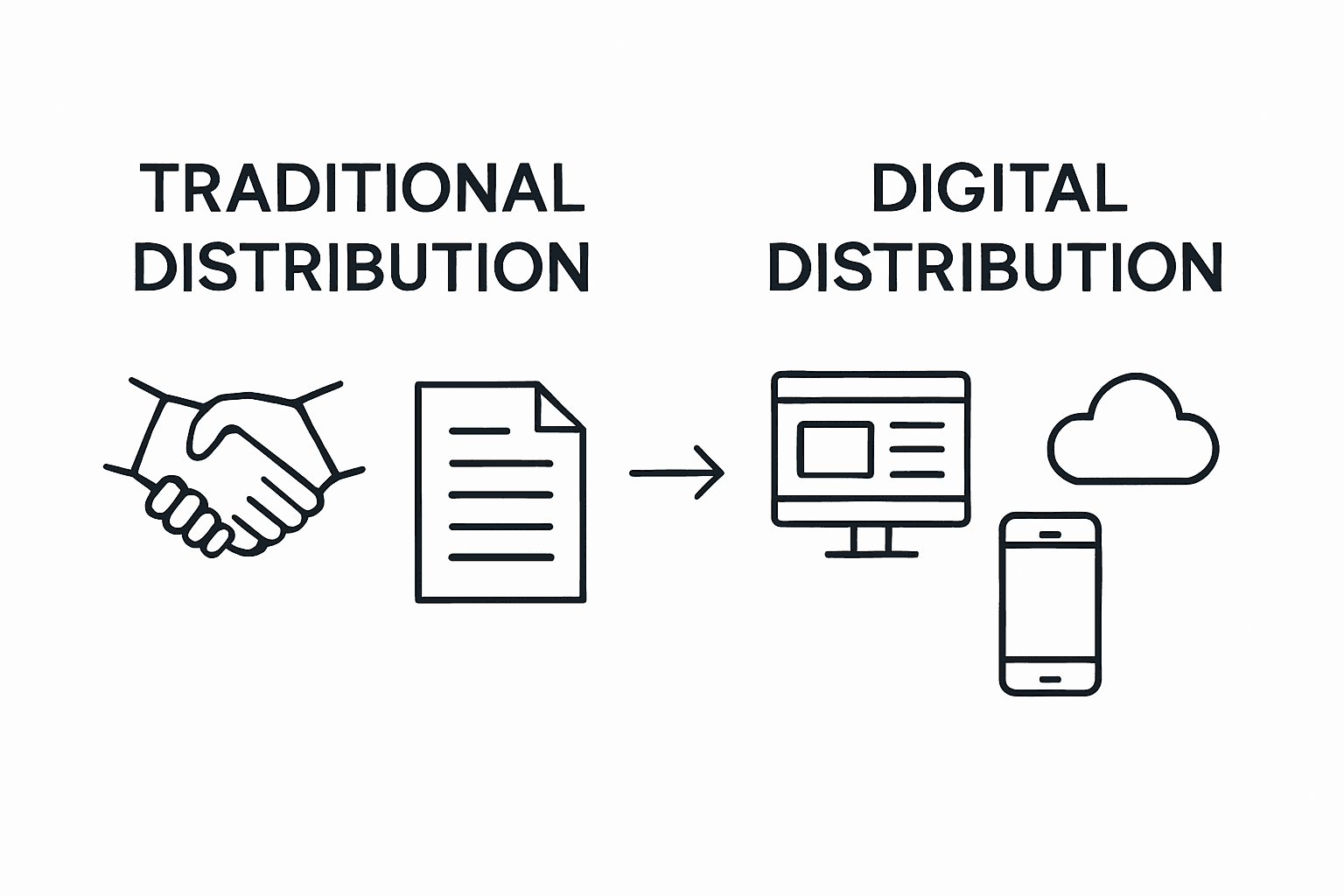
Open APIs are revolutionizing distribution channels in the insurance industry, creating unprecedented opportunities for connectivity and innovation. Insurance API ecosystems enable carriers to expand their reach by seamlessly connecting with diverse partners, breaking down traditional barriers that once limited market engagement.

The technical infrastructure supporting these distribution innovations involves sophisticated API integration architectures that centralize data management and facilitate smooth interactions between multiple stakeholders. These ecosystems allow insurers to:

  • Connect with multiple distribution partners simultaneously
  • Streamline data exchange across different platforms
  • Reduce integration complexity
  • Enable real-time product and pricing updates
  • Support dynamic risk assessment capabilities

By leveraging open APIs, insurers can transform traditional distribution models into dynamic, interconnected networks. This approach enables rapid product development, more personalized customer experiences, and the ability to quickly adapt to emerging market opportunities. The result is a more flexible, responsive insurance ecosystem that can efficiently meet evolving customer demands and technological challenges.

Team using open APIs for insurance distribution

Insurance ecosystems are rapidly evolving, driven by strategic cross-industry partnerships that transcend traditional boundaries. Emerging collaboration models are demonstrating how carriers can create innovative solutions by integrating expertise across different sectors, particularly in specialized risk management domains.

One prominent trend involves sophisticated partnerships that combine deep industry knowledge with technological capabilities. For instance, insurance collaborations with non-traditional partners are generating transformative products and services:

  • Commercial cyber insurance partnerships with cybersecurity firms
  • Auto insurance integrations with vehicle manufacturers
  • Technology platforms offering embedded insurance solutions
  • Health insurance collaborations with wellness technology providers
  • Smart home technology partnerships for property insurance

These ecosystem trends represent more than technological innovation. They signal a fundamental reimagining of insurance as a dynamic, interconnected service that adapts rapidly to changing customer needs, leverages specialized expertise, and creates value through strategic collaboration across multiple industries.

Mitigating Risks and Navigating Integration Challenges

Building successful insurance ecosystems demands strategic risk management and proactive approach to integration complexities. Open insurance implementations require insurers to carefully navigate potential challenges related to data protection, intellectual property, and governance frameworks.

Ecosystem partnership strategies emphasize several critical risk mitigation approaches:

  • Comprehensive data governance protocols
  • Robust cybersecurity infrastructure
  • Transparent intellectual property agreements
  • Standardized API integration frameworks
  • Clear performance and compliance metrics
  • Continuous monitoring and risk assessment processes

Successful ecosystem integration goes beyond technical implementation. It requires a holistic approach that balances technological innovation with rigorous risk management. Insurers must develop flexible, secure architectures that protect sensitive information, maintain regulatory compliance, and create trusted environments where diverse partners can collaborate effectively and securely.

Unlock Growth and Agility with Ecosystem APIs and IBSuite

Insurance ecosystems thrive on seamless data exchange and flexible API integration to drive innovation and personalized customer experiences. Yet many insurers face challenges like complex legacy systems, slow product launches, and limited distribution channels. The article highlights how embracing open insurance ecosystem models and standardized APIs can transform your operations and help you conquer these hurdles.

IBA’s cloud-native IBSuite platform is designed exactly for this transformation. With a secure, API-first architecture, IBSuite empowers P&C insurers to streamline their entire insurance value chain—from underwriting and claims to billing and CRM—while enabling rapid product innovation and real-time market responsiveness. Supported by flexible, scalable technology trusted by global leaders and built on AWS, IBSuite helps you unlock the full potential of ecosystem partnerships and open APIs.

Are you ready to accelerate your digital transformation and expand your distribution channels with cutting-edge insurance ecosystems? Discover how IBSuite can help you embrace the future of insurance. Explore our cloud-native core insurance platform and book a demo to experience how seamless integration, faster product launches, and enhanced customer engagement can become your new competitive edge.

Frequently Asked Questions

What are ecosystem APIs in the insurance industry?

Ecosystem APIs are standardized application programming interfaces that enable insurance companies to share data securely and seamlessly with diverse partners, fostering collaboration and innovation.

How do open APIs enhance customer experiences in insurance?

Open APIs allow insurers to provide personalized services, enabling rapid product development and real-time updates that cater to individual customer needs, ultimately improving the overall customer experience.

What are the main benefits of adopting open insurance ecosystems?

Adopting open insurance ecosystems enables insurers to enhance data sharing, improve operational efficiency, access new distribution channels, and develop innovative products tailored to market demands.

What challenges do insurers face when implementing ecosystem APIs?

Insurers may encounter challenges such as data protection concerns, integration complexities, and maintaining robust cybersecurity measures while navigating the collaborative nature of open insurance ecosystems.

Embedded Insurance in Europe: Complete Strategic Guide

Most consumers now expect insurance to appear automatically during checkout, not as a separate task. This shift is part of a larger trend in Europe, where embedded insurance is reshaping how protection is delivered and experienced. Companies are weaving coverage into everyday transactions, making it accessible right when people need it. Discover how these changes are redefining the insurance model and what they reveal about the future of digital services.

Table of Contents

Key Takeaways

Point Details
Embedded Insurance Integration Embedded insurance seamlessly combines insurance solutions with non-insurance products, enhancing the purchasing experience for consumers.
Technological Infrastructure A robust technological framework, utilizing APIs and microservices, is essential for effective deployment of embedded insurance models.
Regulatory Compliance Challenges Insurers must navigate complex regulatory landscapes while ensuring data protection and consumer trust in embedded insurance offerings.
Core System Modernization Upgrading legacy systems is crucial for insurers to remain competitive and agile in delivering innovative embedded insurance products.

Defining Embedded Insurance and Core Principles

Embedded insurance represents a strategic approach to integrating insurance solutions directly into non-insurance products and services, transforming traditional distribution models. Integrated insurance solutions now enable seamless coverage provision at the precise moment consumers need protection.

At its core, embedded insurance involves strategically inserting insurance products within existing transaction ecosystems. Consumers can now acquire insurance coverage simultaneously with purchasing primary products or services, creating a frictionless experience. This model fundamentally shifts how insurance is perceived and purchased, moving from a standalone transaction to an integrated, contextual offering.

The key principles of embedded insurance include:

  • Contextual Relevance: Insurance offerings precisely matched to the specific moment and context of consumer need
  • Seamless Integration: Minimal friction in insurance acquisition process
  • Real-time Provisioning: Immediate coverage activation during product purchase
  • Personalization: Tailored insurance solutions aligned with individual consumer risk profiles

Regulatory frameworks are critical in this emerging model. Within the European Union, embedded insurance products must navigate complex digital microinsurance strategies while maintaining stringent consumer protection standards. Successful implementation requires sophisticated technological infrastructure that supports rapid, automated insurance distribution across diverse digital platforms.

Industry Variations: Retail, Mobility, Fintech, Telco

Embedded insurance is rapidly transforming multiple industry sectors across Europe, with each vertical presenting unique implementation strategies and opportunities. Microinsurance technologies are enabling innovative approaches that go far beyond traditional insurance distribution models.

In the retail sector, embedded insurance is creating seamless protection experiences during consumer purchases. Companies are integrating coverage directly into e-commerce platforms, allowing customers to add insurance protection with minimal friction. The telecommunications industry is particularly innovative, with providers using digital-native insurance solutions to offer device protection, travel coverage, and personalized risk management directly through mobile platforms.

Mobility and fintech sectors represent significant growth areas for embedded insurance. European startups are developing sophisticated models that integrate insurance into transportation and financial services. Some key innovations include:

  • Mobility Sector:
    • Instant insurance for ride-sharing trips
    • Per-kilometer vehicle coverage
    • Integrated protection for electric scooter rentals
  • Fintech Applications:
    • Micro-duration insurance during financial transactions
    • Automated risk assessment for digital lending platforms
    • Real-time coverage activation during investment activities

The European embedded insurance landscape demonstrates remarkable complexity and potential. Strategic partnerships between insurers and technology platforms are driving insurtech innovation, creating more personalized, contextual, and accessible insurance experiences across multiple industry verticals.

Technical Requirements: APIs, Microservices, Automation

Embedded insurance demands a sophisticated technological infrastructure that enables rapid, flexible, and scalable insurance product deployment. APIs in the insurance industry have become the critical backbone for creating interconnected, responsive insurance ecosystems that can adapt quickly to market demands.

Engineers collaborating on insurance automation technology

Microservices architecture represents a fundamental shift in how insurers build and manage their technological platforms. Unlike monolithic systems, microservices enable insurers to develop, deploy, and scale individual components independently. This approach supports the complex requirements of embedded insurance by allowing real-time data integration, dynamic pricing, and rapid product configuration across multiple partner platforms.

Automation is the cornerstone of effective embedded insurance deployment. Digital underwriting workflows enable insurers to process applications, assess risks, and generate policies with unprecedented speed and accuracy. Key automation capabilities include:

  • Instant Risk Assessment:
    • Real-time data analysis
    • Automated underwriting decisions
    • Dynamic risk scoring
  • Operational Efficiency:
    • Reduced manual intervention
    • Accelerated claims processing
    • Consistent decision-making

Successful implementation requires a strategic approach to insurance automation technologies, focusing on creating flexible, compliant, and scalable technological infrastructures that can support the complex ecosystem of modern embedded insurance solutions.

Core System Upgrades for Embedded Insurance Success

Modernizing core insurance systems is no longer optional but a critical strategic imperative for insurers seeking to compete in the embedded insurance marketplace. Core system replacements represent the foundational transformation necessary to enable dynamic, flexible insurance product delivery across multiple digital platforms.

Successful digital transformation requires insurers to rethink their technological architecture fundamentally. Modernizing insurance infrastructure demands building scalable, adaptable platforms that can support real-time data integration, flexible product configurations, and seamless partner ecosystem interactions. The goal is creating a technological foundation that can rapidly respond to changing market dynamics and consumer expectations.

Key considerations for core system upgrades include:

  • Architectural Flexibility:
    • Cloud-native infrastructure
    • Modular system design
    • API-first approach
  • Operational Capabilities:
    • Rapid product configuration
    • Real-time pricing engines
    • Automated underwriting processes

The financial implications of legacy system maintenance are significant. Insurance core replacement strategies reveal that continuing to patch outdated systems often costs more than implementing a comprehensive digital transformation. Insurers must view technological modernization as a strategic investment in future competitiveness, enabling them to quickly launch innovative embedded insurance products and respond dynamically to emerging market opportunities.

Strategic Risks, Compliance, and Ecosystem Impacts

Embedded insurance introduces complex regulatory challenges that demand sophisticated strategic planning and risk management approaches. Insurance risk management has become increasingly nuanced as digital platforms blur traditional boundaries between insurance providers, technology companies, and distribution partners.

Infographic illustrating risks, compliance, ecosystem

The European regulatory landscape presents significant compliance hurdles for embedded insurance ecosystems. Compliance automation strategies are essential for navigating the intricate web of consumer protection regulations, data privacy requirements, and cross-border distribution rules. Insurers must develop robust technological frameworks that can dynamically adapt to evolving regulatory standards while maintaining transparency and consumer trust.

Key strategic risk considerations include:

  • Regulatory Compliance:
    • Data protection standards
    • Consumer disclosure requirements
    • Cross-border distribution regulations
  • Technological Risks:
    • Cybersecurity vulnerabilities
    • Integration ecosystem complexity
    • Third-party vendor risk management

Successful embedded insurance strategies require a holistic approach that balances technological innovation with comprehensive compliance frameworks. Insurers must proactively design systems that not only meet current regulatory requirements but can also anticipate and rapidly adapt to emerging legal and technological challenges in the dynamic digital insurance landscape.

Unlock the Power of Embedded Insurance with Modern Core Systems

The article highlights the challenges insurers face in adopting embedded insurance models such as seamless integration, real-time provisioning, and navigating complex regulatory environments. These pain points demand a cloud-native, API-first platform designed for rapid product innovation and operational flexibility. If you want to overcome legacy system constraints, reduce IT complexity, and deliver personalized, contextually relevant insurance products across industries like retail, mobility, and fintech, a modern core system upgrade is essential.

Experience how IBSuite empowers P&C insurers to accelerate digital transformation with features like automated underwriting, scalable microservices, and continuous compliance support. Discover how you can streamline every stage from sales to claims while enabling instant risk assessment and real-time pricing. Ready to lead the embedded insurance revolution and respond quickly to evolving market demands Take the next step and book a demo today. Learn more about core system replacements and how to embrace insurance automation technologies that keep you ahead.

Frequently Asked Questions

What is embedded insurance?

Embedded insurance is a method of integrating insurance solutions directly into non-insurance products and services, allowing consumers to purchase insurance coverage at the same time they acquire primary products or services.

What are the key principles of embedded insurance?

The key principles include contextual relevance, seamless integration, real-time provisioning, and personalization, ensuring that insurance products meet consumer needs in a frictionless manner.

How does technology impact embedded insurance?

Technology plays a crucial role by enabling rapid and flexible deployment of insurance products through APIs, microservices, and automation, facilitating real-time data integration and dynamic risk assessment.

What are the regulatory challenges associated with embedded insurance?

Regulatory challenges include compliance with consumer protection standards, data privacy regulations, and ensuring transparency in insurance offerings within digital platforms.