01.01.26
API-First Insurance Platforms: Driving Efficiency and Compliance

API-first platforms are rapidly reshaping the way property and casualty insurers operate, with more than 60 percent of firms citing faster compliance as their top benefit. For executives in Central Europe, keeping up with British regulatory standards and technological innovation is no longer optional. This article highlights the essentials of API-first insurance systems, offering clear insights into architecture choices, integration benefits, and the practical steps needed for digital transformation success.
Table of Contents
- Defining API-first Insurance Platforms
- Types of API-first Platforms Explored
- Core Functionalities And Integration Benefits
- Regulatory Obligations And Compliance Practices
- Risks, Cost Considerations, And Common Pitfalls
Key Takeaways
| Point | Details |
|---|---|
| API-first Approach | API-first insurance platforms prioritise APIs for data exchange, enabling agility and responsiveness in technology infrastructures. |
| Diverse Architectures | The three main API architectures—RESTful, SOAP, and event-driven—offer varied strengths suitable for distinct operational needs. |
| Seamless Integration | API integration enhances operational efficiency by streamlining data exchanges and enabling real-time synchronisation across systems. |
| Compliance Necessity | Insurers must embed regulatory compliance into their technological frameworks to meet evolving standards and maintain consumer trust. |
Defining API-first insurance platforms
The insurance industry is experiencing a profound digital transformation, with API-first insurance platforms emerging as critical technological infrastructure. These advanced systems represent a fundamental shift from traditional monolithic software architectures towards more flexible, interconnected digital ecosystems. The evolution of insurance technology demonstrates how application programming interfaces (APIs) have become the primary mechanism for seamless data exchange and system integration.
At their core, API-first insurance platforms are comprehensive software environments designed to enable real-time, automated communication between multiple technological components. Unlike legacy systems that treated APIs as afterthoughts, these modern platforms prioritise APIs as the primary mechanism for data transmission, system connectivity, and service delivery. This approach allows insurance organisations to create more agile, scalable technological infrastructures that can rapidly adapt to changing market demands and regulatory requirements.
Key characteristics of API-first insurance platforms include standardised communication protocols, robust security frameworks, and modular design principles. These platforms support seamless integration with external services, enable microservices architectures, and provide insurance companies with unprecedented flexibility in developing and deploying digital products. By treating APIs as strategic assets, insurers can accelerate innovation, reduce technological complexity, and create more responsive customer experiences.
Pro tip: When evaluating API-first platforms, prioritise solutions that offer comprehensive documentation, robust security features, and proven scalability across multiple insurance domains.
Types of API-first platforms explored
Modern insurance technology has evolved to encompass multiple sophisticated API platform architectures, each designed to address specific operational requirements. Insurance API frameworks demonstrate remarkable diversity, with three primary types emerging as critical technological solutions: RESTful, SOAP, and event-driven platforms. These architectures represent nuanced approaches to data transmission and system integration within complex insurance ecosystems.
RESTful APIs represent the most lightweight and flexible framework, characterised by stateless communication protocols that enable efficient web-based interactions. These platforms excel at handling simple, standardised transactions like policy quotations, customer registration, and basic information retrieval. By contrast, SOAP APIs provide more structured messaging capabilities, supporting intricate, multi-step transactions that require robust security and formal communication standards. These platforms are particularly valuable for complex financial operations requiring precise, verifiable data exchanges.
Event-driven API platforms constitute the most dynamic category, designed to support real-time notifications and instantaneous data synchronisation across multiple insurance systems. These architectures enable immediate updates for claims processing, risk assessment, and customer communication workflows. By leveraging publish-subscribe models and message queuing technologies, event-driven platforms allow insurers to create highly responsive, interconnected technological ecosystems that can rapidly adapt to changing operational requirements and customer expectations.
Pro tip: When selecting an API-first platform, carefully evaluate your specific operational needs and choose an architecture that provides the optimal balance between flexibility, performance, and security.
Here is a comparison of the three main API-first insurance platform architectures:
| API Type | Strengths | Limitations | Ideal Use Cases |
|---|---|---|---|
| RESTful | Lightweight, easily scalable | Limited advanced security features | Customer onboarding, quoting |
| SOAP | High security, structured process | More complex and slower | Complex claims, financial ops |
| Event-driven | Real-time updates, rapid response | Requires advanced infrastructure | Instant claims, risk notifications |
Core functionalities and integration benefits
Modern insurance platforms leverage API integration technologies to transform traditional operational paradigms. Comprehensive API management strategies enable insurers to automate complex data exchanges, reducing human error and accelerating critical business processes like policy issuance and claims management. These technological innovations create interconnected ecosystems that streamline communication between insurers, brokers, and customers.

Third-party API integrations dramatically expand an organisation’s capabilities by providing access to external data sources crucial for sophisticated risk assessment. Underwriting processes become more precise through integrated credit checks, fraud detection mechanisms, and real-time risk profiling. These advanced functionalities allow insurers to develop more nuanced product offerings, personalise customer experiences, and make data-driven decisions with unprecedented speed and accuracy.
The core benefits of API-first platforms extend beyond operational efficiency. By enabling seamless data synchronisation and standardised communication protocols, these platforms support enhanced regulatory compliance, improved security frameworks, and scalable technological infrastructure. Insurers can rapidly adapt their systems to changing market requirements, implement new product features, and maintain robust, flexible technological architectures that respond dynamically to evolving business needs.
Pro tip: Prioritise API platforms with comprehensive documentation, robust security features, and demonstrated interoperability across multiple insurance domains.
Below is a summary of key business impacts enabled by API-first integration in insurance platforms:
| Functionality | Business Impact | Strategic Benefit |
|---|---|---|
| Automated data exchange | Reduces manual errors | Faster policy issuance |
| Third-party integrations | Enhances underwriting precision | Improved risk analysis |
| Real-time synchronisation | Enables rapid system adaptation | Competitive product launches |
| Standardised protocols | Supports regulatory compliance | Smooth cross-partner communication |
Regulatory obligations and compliance practices
Digital insurance platforms operate within a complex landscape of regulatory requirements that prioritise consumer protection and technological integrity. Modern regulatory frameworks emphasise comprehensive data privacy standards, market transparency, and ethical technological practices. These evolving guidelines demand that insurers implement robust compliance mechanisms that go beyond traditional regulatory checklists, integrating legal considerations directly into technological infrastructure.
Compliance in the digital insurance ecosystem requires a multifaceted approach addressing data security, fair competition, and transparent operational practices. The General Data Protection Regulation (GDPR) represents a pivotal standard, mandating stringent protocols for personal data handling, consent management, and individual privacy rights. Insurance platforms must design their technological architectures with ‘compliance by design’ principles, embedding regulatory requirements into core system functionalities rather than treating them as peripheral considerations.
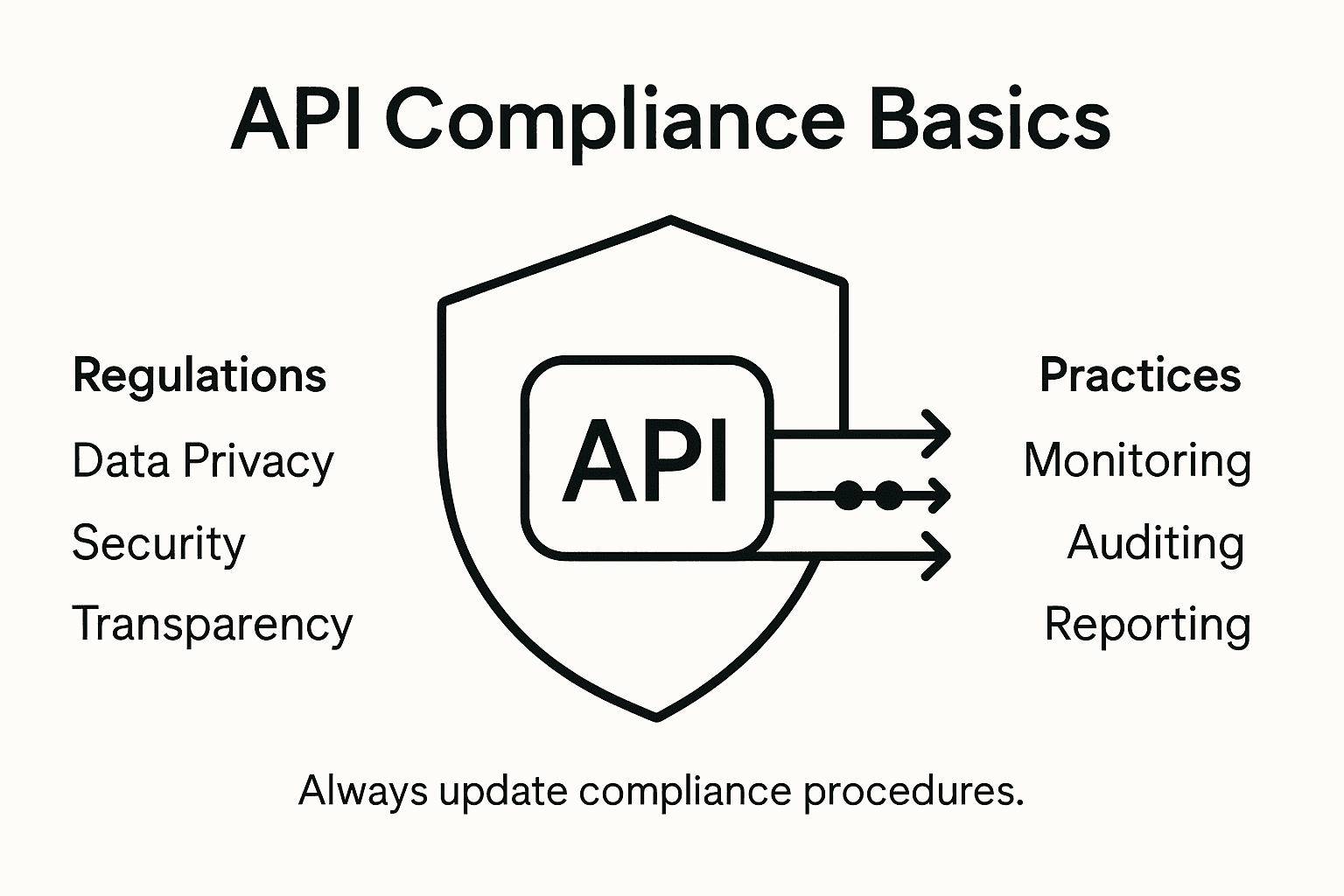
Technological innovation introduces additional regulatory complexities, particularly with emerging technologies like artificial intelligence and blockchain. Insurers must continuously adapt their compliance strategies to address potential risks associated with algorithmic decision-making, data bias, and automated risk assessment processes. This requires developing sophisticated governance frameworks that balance technological innovation with ethical considerations, ensuring that digital platforms maintain trust, transparency, and accountability throughout their operational ecosystems.
Pro tip: Develop a proactive compliance strategy that anticipates regulatory changes and integrates flexible technological frameworks capable of rapid adaptation.
Risks, cost considerations, and common pitfalls
API integration in insurance platforms presents a complex landscape of technological and operational challenges. Critical security vulnerabilities can emerge through insecure data handling, authorization weaknesses, and potential cyberattack vectors that threaten organisational integrity. These risks extend beyond immediate technological concerns, potentially resulting in substantial financial losses, regulatory penalties, and significant reputational damage.
Common pitfalls in API platform implementation often stem from inadequate governance and limited visibility into system behaviours. Insurance organisations frequently struggle with incomplete API inventories, poor authentication protocols, and misconfigured integration points that create systemic vulnerabilities. The cost implications are multifaceted, encompassing direct remediation expenses, potential regulatory fines, and indirect costs associated with compromised customer trust and operational disruptions.
Mitigating these risks requires a comprehensive, proactive approach to API security and governance. Organisations must develop robust authentication mechanisms, implement end-to-end encryption protocols, and establish continuous monitoring systems that provide real-time insights into API performance and potential security breaches. This demands a holistic strategy that integrates technological solutions with organisational policies, creating a dynamic framework capable of adapting to evolving digital security challenges.
Pro tip: Conduct regular, comprehensive API security audits and maintain a dynamic risk management strategy that anticipates potential vulnerabilities before they become critical challenges.
Accelerate Your Insurance Transformation with API-First Excellence
The article highlights the critical challenges insurers face today including the need for seamless API integration, robust security, and regulatory compliance in an increasingly digital world. You understand the importance of adopting an API-first platform that not only supports real-time data synchronisation and flexible, modular design but also mitigates operational risks and accelerates product innovation.
At Insurance Business Applications (IBA), we share your commitment to overcoming these hurdles. Our cloud-native core insurance platform, IBSuite, is engineered as a secure, API-first solution designed to streamline the full insurance value chain — from underwriting through claims and billing — while ensuring Evergreen updates and seamless third-party integrations. By choosing IBSuite, you empower your organisation to rapidly adapt to regulatory requirements, reduce IT complexity, and enhance customer engagement all with greater confidence.
Explore how IBSuite can become the foundation of your API-driven digital future. Discover the advantages of leveraging a platform that embodies the very principles of interoperability, real-time responsiveness, and compliance detailed in the article. Ready to transform your insurance operations today, reduce risks, and launch products faster? Book a demo now and see the difference an API-first approach can make. Learn more about accelerating your digital transformation with Insurance Business Applications and step confidently into a compliant, agile future.
Frequently Asked Questions
What are API-first insurance platforms?
API-first insurance platforms are modern software architectures prioritising application programming interfaces (APIs) to enable real-time communication and integration between multiple systems. They create flexible, scalable infrastructures that can quickly adapt to market changes and regulatory demands.
How do API-first platforms enhance operational efficiency in insurance?
API-first platforms streamline data exchange, automate processes, and integrate third-party services, reducing manual errors and accelerating operations such as policy issuance and claims management, leading to improved efficiency and customer experience.
What types of APIs are commonly used in insurance platforms?
The three primary types of APIs in insurance platforms are RESTful, SOAP, and event-driven APIs, each offering unique strengths for different operational needs, such as lightweight transactions, structured messaging, and real-time updates.
What are the compliance challenges associated with API-first insurance platforms?
Compliance challenges include ensuring adherence to regulations like GDPR, implementing robust data privacy measures, and addressing the complexities of emerging technologies. Insurers must integrate compliance considerations into their API architecture to maintain transparency and cybersecurity.
Recommended
- API-First Core Insurance Platforms Explained: 2025 Guide – Digital Insurance Platform | IBSuite Insurance Software | Modern Insurance System
- API First Approach in Insurance – Digital Insurance Platform | IBSuite Insurance Software | Modern Insurance System
- 3 Ways to Leverage APIs in the Insurance Industry – Digital Insurance Platform | IBSuite Insurance Software | Modern Insurance System
- 5 Commercial Shifts Enabled by API-First Insurance Platforms – Digital Insurance Platform | IBSuite Insurance Software | Modern Insurance System